

Retirement Visa Dubai — buying property at 55+
The UAE's retirement visa programme, launched in 2018 and refined over subsequent years, allows applicants aged 55 and older to secure renewable residency witho
Retirement Visa Dubai — buying property at 55+
Dubai's retirement visa offers financially secure over-55s a rare combination: long-term residency, zero income tax, and the freedom to choose a home in one of the world's most dynamic cities.
Introduction
The UAE's retirement visa programme, launched in 2018 and refined over subsequent years, allows applicants aged 55 and older to secure renewable residency without requiring conventional employment or family sponsorship. Two principal routes exist: ownership of property valued at AED 1 million or above, or proof of liquid savings or regular income meeting a AED 1 million threshold (often structured as AED 20,000 monthly). For many international retirees, purchasing real estate satisfies both the visa requirement and the desire for a permanent base in Dubai. Communities such as Arabian Ranches, Palm Jumeirah, and Downtown Dubai have each attracted mature buyers drawn by world-class infrastructure, healthcare proximity, and lifestyle amenities. This journal post examines the retirement visa's eligibility pathways, tax and healthcare considerations, and the residential districts that consistently appeal to over-55 buyers navigating Dubai's freehold landscape.
Eligibility and application pathways
The retirement visa's core criterion—applicant age of 55 years or more—is straightforward, but financial thresholds deserve careful attention. The property-ownership route requires title to real estate worth at least AED 1 million, whether fully paid or mortgaged; crucially, the property must be owned outright or carry minimal debt at the time of application. The liquid-savings route mandates proof of savings totalling AED 1 million, held for a minimum period (typically three years) in a recognised financial institution, or evidence of monthly income not less than AED 20,000.
Applicants may combine routes: for instance, a villa valued at AED 850,000 paired with AED 150,000 in documented savings. The Federal Authority for Identity, Citizenship, Customs and Security Affairs (ICA) and Dubai's General Directorate of Residency and Foreigners Affairs (GDRFA) jointly administer the scheme. Standard documentation includes a valid passport, Emirates ID application, medical fitness certificate, health insurance valid in the UAE, proof of property title deed (from Dubai Land Department) or financial statements, and an application fee. Processing typically completes within two to four weeks, and the visa itself is issued for five years, renewable upon continued satisfaction of the financial criteria.
Tax treatment and cost of living
Dubai levies no personal income tax, no capital-gains tax on property, and no inheritance tax—a trifecta that distinguishes the emirate from most Western retirement destinations. Retirees receiving pension income from their home countries will generally pay tax only according to their country of origin's rules; the UAE does not impose local withholding. This fiscal neutrality extends to investment income, dividends, and rental yields, making Dubai particularly attractive to individuals drawing on diversified portfolios.
Everyday costs vary by lifestyle, but representative monthly budgets for a single retiree might span AED 10,000 to AED 18,000, encompassing housing (if renting a one-bedroom apartment in a mid-tier community), utilities, groceries, dining, transport, and health insurance. Couples often operate within AED 15,000 to AED 25,000 per month. Property ownership eliminates rent but introduces service charges—typically AED 10 to AED 25 per square foot annually—and Dubai Electricity and Water Authority (DEWA) bills. Fuel, dining out, and leisure remain affordable relative to European or North American cities. Import duties on goods are generally low, and the dirham's peg to the US dollar offers currency stability. Importantly, retirees who satisfy the AED 1 million property or savings threshold will find their cost structure comfortably below the income floor required for the visa, leaving margin for travel and discretionary spending.
Healthcare infrastructure and insurance
High-quality healthcare is non-negotiable for retirees, and Dubai's private-hospital network—including Mediclinic, Saudi German Hospital, Emirates Healthcare Group facilities, and American Hospital Dubai—meets international accreditation standards. Mandatory health insurance, introduced under Dubai Health Authority (DHA) regulations, requires all visa holders to carry a policy that covers inpatient and outpatient care within the emirate.
Premium levels vary by age and pre-existing conditions. A healthy 60-year-old might pay AED 6,000 to AED 12,000 annually for comprehensive cover; premiums rise with age, and individuals over 65 or those managing chronic conditions can expect AED 15,000 to AED 30,000 per year. Many insurers impose sub-limits on specific treatments or exclusions for pre-existing ailments, so careful policy comparison is essential. Some retirees opt for higher-deductible plans to reduce premiums, supplementing coverage with out-of-pocket budgets for routine consultations.
Pharmaceutical costs are moderate, and generic alternatives widely available. Most residential communities lie within fifteen minutes' drive of a major hospital; Arabian Ranches is proximate to Mediclinic Arabian Ranches, Palm Jumeirah residents access several facilities along Sheikh Zayed Road and Jumeirah, and Downtown Dubai sits minutes from hospitals in Business Bay and DIFC. Preventive-care culture is strong, with annual health screenings and wellness programmes commonplace. For retirees weighing long-term residence, this clinical density and the regulatory requirement for insurance together provide reassurance that healthcare will remain accessible and predictable in cost—even as one ages in place.
Preferred communities for mature buyers
Arabian Ranches remains a perennial favourite among retirees who prioritise greenery, tranquillity, and single-family living. Developed by Emaar, the master-planned community comprises tree-lined streets, an 18-hole championship golf course, polo fields, and pedestrian-friendly retail clusters. Villas—typically three- to five-bedroom configurations—trade in a range broadly around AED 1.8 million to AED 4 million, depending on plot size and condition. Service charges are predictable, community management is mature, and the demographic skews towards families and established professionals, fostering a quiet, secure atmosphere. Medical and supermarket amenities lie on-site, while Arabian Ranches' location along Al Qudra Road offers straightforward access to both Dubai Marina and Downtown within twenty to thirty minutes.
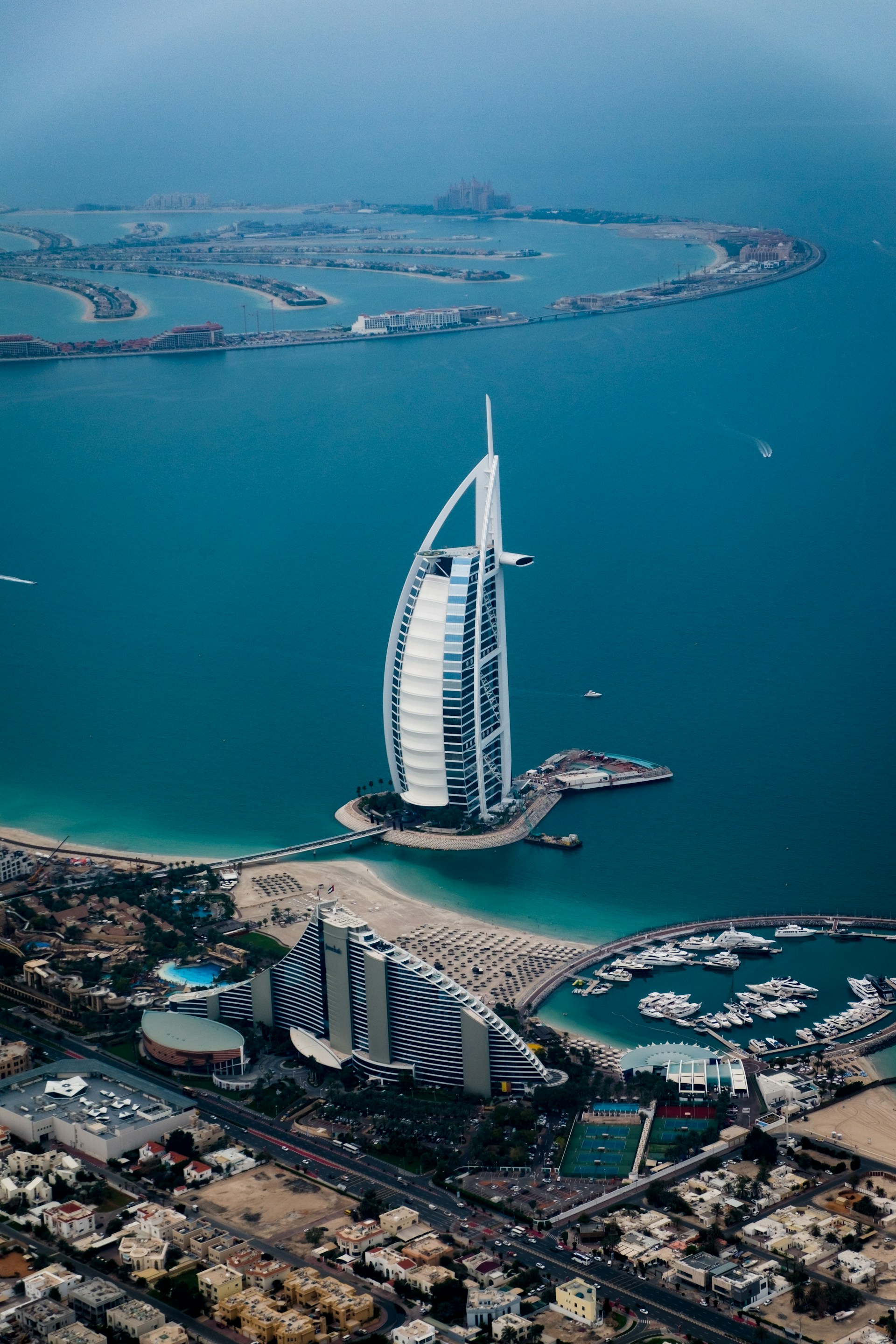
Palm Jumeirah, by contrast, delivers beachfront cosmopolitanism. Apartments in well-regarded towers such as Oceana, Tiara Residences, and Anantara Residences provide full-service concierge, swimming pools, gyms, and direct beach access. Two- and three-bedroom units generally range from AED 2.5 million to AED 6 million; garden homes and signature villas command significantly higher entry points. The Palm's appeal for retirees centres on walkability—residents can stroll the boardwalk, dine at international restaurants, and access spas and wellness centres without a car—and the visual drama of island living. Service charges reflect resort-style amenities and can reach AED 25 to AED 35 per square foot, so budgeting must account for this recurring cost. Proximity to Nakheel Mall, several private clinics, and a ten-minute taxi ride to American Hospital makes the Palm a practical, not merely aspirational, choice.
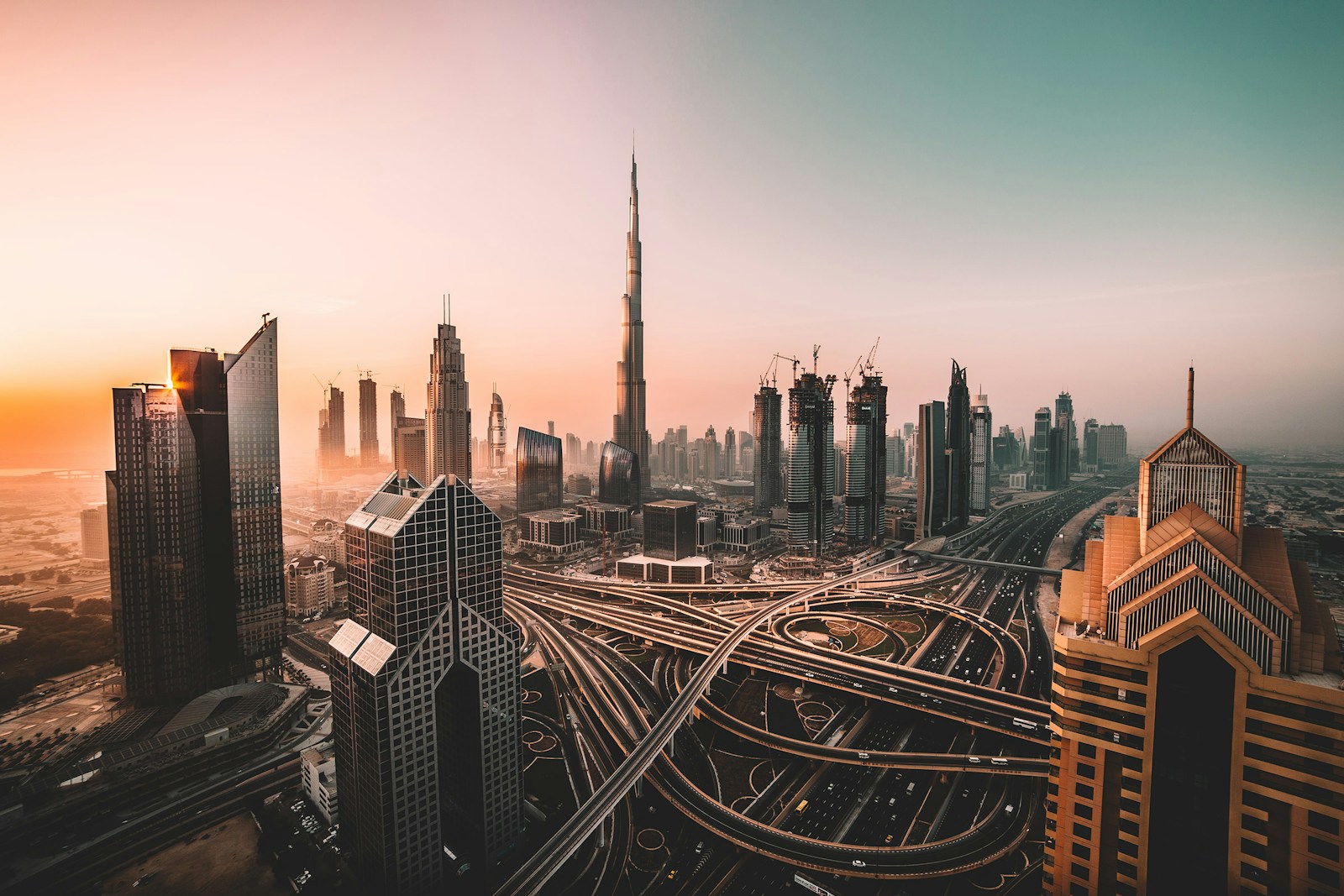
Downtown Dubai attracts retirees who value cultural programming, fine dining, and urban energy. Towers such as The Address Boulevard, Standpoint Towers, and Boulevard Central offer one- to three-bedroom apartments, with entry-level units starting near AED 1.2 million and larger formats reaching AED 5 million or above. Residents enjoy immediate access to Dubai Opera, Dubai Mall, art galleries, and an extensive F&B scene. Walkability is exceptional; the Dubai Metro's Burj Khalifa/Dubai Mall station links the district to the wider city. Service charges are competitive, typically AED 15 to AED 22 per square foot, and buildings are newer, minimising maintenance surprises. The density and pace will not suit those seeking seclusion, but for retirees who relish urban convenience—banking, supermarkets, pharmacies, cafés all within a five-minute walk—Downtown Dubai functions as a self-contained, cosmopolitan microdistrict.
Practical takeaways
1.Confirm your financial pathway early. Decide whether property purchase or liquid-savings documentation will form your application basis, and gather title deeds, bank statements, or pension documentation at least three months before your intended move date.
2.Budget for mandatory health insurance. Obtain quotes from three to four insurers, disclosing any pre-existing conditions upfront, to avoid premium surprises; factor AED 10,000 to AED 25,000 annually into your cost model depending on age and health profile.
3.Visit communities before committing. Spend time in Arabian Ranches, Palm Jumeirah, and Downtown Dubai—ideally during different times of day—to assess noise, walkability, traffic patterns, and proximity to services that matter to your daily routine.
4.Engage a qualified buyer's agent. A broker familiar with mature-buyer priorities can shortlist properties that meet the AED 1 million threshold, flag service-charge anomalies, and guide you through DLD title transfer and GDRFA visa lodgement.
5.Plan for currency and liquidity. If funding your purchase from abroad, arrange FX hedging or transfer scheduling well in advance; ensure you retain accessible savings beyond the property deposit to cover relocation costs, furnishings, and the first year's living expenses.
Frequently asked questions
Can I apply for the retirement visa if I own property jointly with my spouse?
Yes. Joint ownership satisfies the AED 1 million threshold provided the combined value meets or exceeds that figure. Both spouses aged 55 or older may each apply for their own retirement visa based on the shared asset. If only one spouse is over 55, that individual can sponsor the younger partner as a dependent under standard family-sponsorship rules, though the younger spouse would hold dependent rather than retirement status until reaching the qualifying age.
Does the retirement visa permit me to work or start a business in Dubai?
The retirement visa does not automatically confer a work permit. Engaging in salaried employment requires a separate work permit issued by an employer, which in practice converts your residency basis from retirement to employment sponsorship. However, retirees may establish a free-zone or mainland company and self-sponsor through that entity, or serve as non-executive board members or consultants under certain professional-activity frameworks, provided the appropriate licences and permits are secured first.
What happens if property values decline and my villa falls below AED 1 million at renewal?
Visa renewal hinges on the property's original purchase price or current market valuation as recorded on the title deed, not short-term market fluctuations. The authorities primarily verify continued ownership and that any mortgage does not leave equity below the threshold. In practice, provided you own the property and can demonstrate stable financial standing—through bank statements or the original purchase documentation—modest market corrections seldom trigger renewal refusals. Maintaining supplementary savings as a buffer remains prudent.
Speak to Point Penta
Securing retirement residency through Dubai real estate is a decision that marries lifestyle aspiration with practical immigration planning. At Point Penta, our research-led approach ensures you understand not only which communities align with your daily rhythms, but also how title transfer, visa lodgement, and post-completion service charges fit into your broader financial picture. Whether you are comparing villas in Arabian Ranches, beachfront apartments on the Palm, or modern towers in Downtown, we offer the institutional knowledge and personal attention that mature buyers rightly expect. Visit us at 902, Ithra Tower, Al Garhoud, Dubai, or begin the conversation by email at info@pointpenta.com or telephone on +971 55 739 6664. We look forward to helping you chart your next chapter in the Emirates.
Point Penta’s research desk publishes editorial market analysis every week. If you’re looking at property in Dubai, an advisor will share the full sales pack — inventory, comparables and the current pricing band — within one business day.
More from the desk
How to sell your Dubai apartment in a rising market
Dubai's residential market has demonstrated sustained momentum since mid-2020, with quarterly DLD transaction volumes regularly exceeding historical averages an
Dubai property viewing checklist — 15 things every buyer misses
Dubai's property market moves quickly—handover schedules compress, inventory turns over, and buyers often feel pressed to commit after a single viewing. Yet the
Best time of year to buy in Dubai — a seasonal market analysis
Buying real estate in Dubai is rarely a straightforward exercise in supply and demand. The market breathes with the city's cultural calendar, developer event cy