
Freehold vs leasehold in Dubai — what foreigners can actually buy
Dubai opened its property market to foreign nationals in 2002, a watershed moment that transformed the emirate into one of the world's most liquid cross-border
Understanding ownership structures is the single most important step before signing a Dubai sales agreement.
Introduction
Dubai opened its property market to foreign nationals in 2002, a watershed moment that transformed the emirate into one of the world's most liquid cross-border real estate hubs. Two decades on, the legal framework distinguishes clearly between freehold areas—where non-UAE and non-GCC nationals can hold outright title—and leasehold zones, where ownership is time-limited. Communities such as Dubai Marina, Downtown Dubai, and Arabian Ranches fall squarely into the freehold category, while certain older districts remain designated for UAE and GCC nationals only or operate under long-term lease arrangements. This distinction affects everything from mortgage terms and inheritance planning to eventual resale liquidity. For foreign buyers—whether families relocating from London, investors routing capital from Singapore, or retirees seeking winter sun—a clear grasp of ownership tenure is not academic; it is foundational to sound capital allocation.
The 2002 decree and the birth of designated freehold zones
Before 2002, property ownership in Dubai was restricted almost entirely to UAE and GCC citizens. That year, His Highness Sheikh Mohammed bin Rashid Al Maktoum issued Decree No. 3, permitting foreign nationals to acquire freehold title in specified "designated areas." The list was modest at first—Palm Jumeirah, parts of what would become Dubai Marina, and the nascent Downtown Dubai precinct—but it expanded steadily as master-developers such as Emaar Properties and Nakheel filed new community plans with the Dubai Land Department.
By 2006, the government had formalised additional zones through subsequent decrees, and today the number of gazetted freehold areas exceeds one hundred, spanning everything from beachfront high-rises to villa estates inland. Projects such as Emirates Living (which includes The Springs, The Meadows, and The Lakes), Jumeirah Village Circle, Business Bay, and Dubai Hills Estate all fall within these boundaries. The legal instrument underpinning freehold title is a Title Deed issued by the Dubai Land Department, recorded on the Oqood system and carrying the same permanence as fee-simple ownership in common-law jurisdictions. Foreigners buying in these zones enjoy indefinite tenure, the right to mortgage, lease, bequeath, and sell without requiring sponsor consent—a suite of rights that mirrors domestic ownership in most OECD markets.

What leasehold means in practice
Leasehold arrangements grant the buyer a long-term usufruct right—often ninety-nine years—but not perpetual ownership. At the expiry of the lease term, title theoretically reverts to the freeholder, typically the ruling family, a government entity, or the original landowner. In Dubai, leasehold properties fall into two broad categories: those situated outside the designated freehold zones (certain older neighbourhoods in Deira or Bur Dubai, for instance) and specific developments where the land itself was never reclassified as freehold.
The practical implications are nuanced. During the lease term, the leaseholder enjoys most of the rights associated with ownership—occupancy, subletting, renovation (subject to community bylaws), and the ability to sell the remaining lease term on the open market. Banks will lend against leasehold title, though loan-to-value ratios may be marginally lower and the credit committee will factor in the residual lease duration. Where the lease has seventy or eighty years remaining, financing and liquidity remain robust; once the term dips below fifty years, resale appetite typically softens.
Crucially, UAE law does not mandate automatic lease renewal, so buyers must verify whether the developer or master-freeholder has committed—in writing, within the sale-and-purchase agreement—to renew upon expiry. Certain older leasehold schemes included such clauses; others did not. In the absence of a renewal clause, the theoretical risk of reversion exists, though in practice the government has shown little appetite for displacing long-standing communities.
Checking whether a community is freehold or leasehold
Before signing a memorandum of understanding or reservation form, conduct title due diligence. The Dubai Land Department's website maintains a Register of Designated Freehold Areas, searchable by community name. Alternatively, your conveyancing solicitor or brokerage can request an official Title Deed extract from the DLD, which will state explicitly whether the plot is freehold or leasehold and, if the latter, the lease commencement date and term.
For off-plan purchases, examine the Oqood registration certificate issued by the developer and cross-reference the master community's legal status. Reputable developers—Emaar, Nakheel, Dubai Properties, Meraas, Sobha Realty—typically operate in gazetted freehold zones, but older phases of certain projects may still carry leasehold tenure. If the sales brochure or offer letter is silent on tenure type, request written clarification before exchanging contracts.
It is also worth noting that strata title (common in high-rise towers) can be either freehold or leasehold; the ownership structure of the building does not automatically reveal the tenure of the underlying land. A Title Deed for an apartment will specify both, so insist on seeing the document during your due-diligence window. Real estate agents in Dubai are required under RERA regulations to disclose tenure type, but the onus ultimately rests on the buyer to verify.
The practical difference at exit
When you sell a freehold property, transfer is straightforward: both parties attend the Dubai Land Department's trustee office (or a conveyancing center such as those in Business Bay or DIFC), the buyer's funds are verified, the Title Deed is cancelled and reissued in the buyer's name, and the 4 % DLD transfer fee (2 % from seller, 2 % from buyer, by convention) is paid. The entire process typically completes within one to two hours, and the new owner walks away with a registered deed.
With leasehold, the mechanics are similar—transfer still occurs through the DLD—but the transaction documents must acknowledge the lease term, and the buyer inherits whatever time remains. If sixty-five years are left on a ninety-nine-year lease, marketing materials and the SPA will reflect that residual term. Sophisticated buyers will sometimes discount the purchase price to account for lease decay, particularly if fewer than fifty years remain, though this is less common in Dubai's buoyant market than in, say, central London.
Inheritance also diverges. Freehold assets owned by non-Muslims can be bequeathed through a DIFC Wills and Probate Registry will, bypassing Sharia succession rules. Leasehold interests are inheritable in the same manner, but the heir steps into the shoes of the original lessee, bound by the lease's residual term and any renewal (or non-renewal) provisions. Estate-planning advisers therefore tend to prefer freehold for clients prioritising multi-generational wealth transfer.
Practical takeaways
- Verify tenure before reservation. Ask your broker for the Title Deed or Oqood extract and cross-check the community against the DLD's official list of freehold zones.
- Budget for legal review. Even in designated freehold areas, engage a Dubai-licensed conveyancing solicitor to review the sale-and-purchase agreement and confirm there are no encumbrances or caveats.
- Assess lease residual term. If considering leasehold, calculate the remaining years and confirm in writing whether the lease includes a renewal clause or developer guarantee.
- Factor exit liquidity into your hold period. Freehold properties generally enjoy broader buyer appetite and simpler financing; if you plan to sell within five to seven years, this liquidity premium matters.
- Align tenure with estate goals. For investors seeking legacy assets or family succession, freehold title paired with a DIFC will offers the cleanest structure under UAE law.
Frequently asked questions
Can I convert a leasehold property to freehold?
Conversion is not within an individual owner's power; it requires a government decree reclassifying the underlying land. Historically, certain communities (parts of Jumeirah Lake Towers, for instance) transitioned from leasehold to freehold by executive order, but such changes are rare and cannot be predicted. If tenure type is critical, purchase in an already-designated freehold zone.
Do all Dubai Marina and Downtown apartments qualify as freehold?
The vast majority do. Both master communities were planned post-2002 and fall within gazetted freehold boundaries. However, individual towers may have been registered under slightly different legal instruments, so always verify the specific Title Deed. In practice, buyer confusion is rare in these highly liquid precincts.
Are there any restrictions on selling a freehold property I've just bought?
No lock-in period applies to completed freehold units; you may sell immediately after registration, subject only to the standard 4 % DLD fee and any early-settlement penalties on your mortgage. Off-plan contracts sometimes include developer clauses limiting resale before handover, but once the Title Deed is issued, you have full disposal rights.
Speak to Point Penta
Whether you are weighing a beachfront leasehold apartment with seventy years remaining or a freehold villa plot in a gated estate, clarity on tenure underpins every sound acquisition. At Point Penta, we walk buyers through title verification, liaise with conveyancing counsel, and ensure you understand exactly what you are purchasing before funds leave your account. Our research-led approach means you receive the same rigour a family office would expect, distilled into plain language. Visit us at 902, Ithra Tower, Al Garhoud, Dubai, or reach out by email at info@pointpenta.com or telephone on +971 55 739 6664. We look forward to guiding your next Dubai property decision with the care it deserves.
Point Penta’s research desk publishes editorial market analysis every week. If you’re looking at property in Dubai, an advisor will share the full sales pack — inventory, comparables and the current pricing band — within one business day.
More from the desk
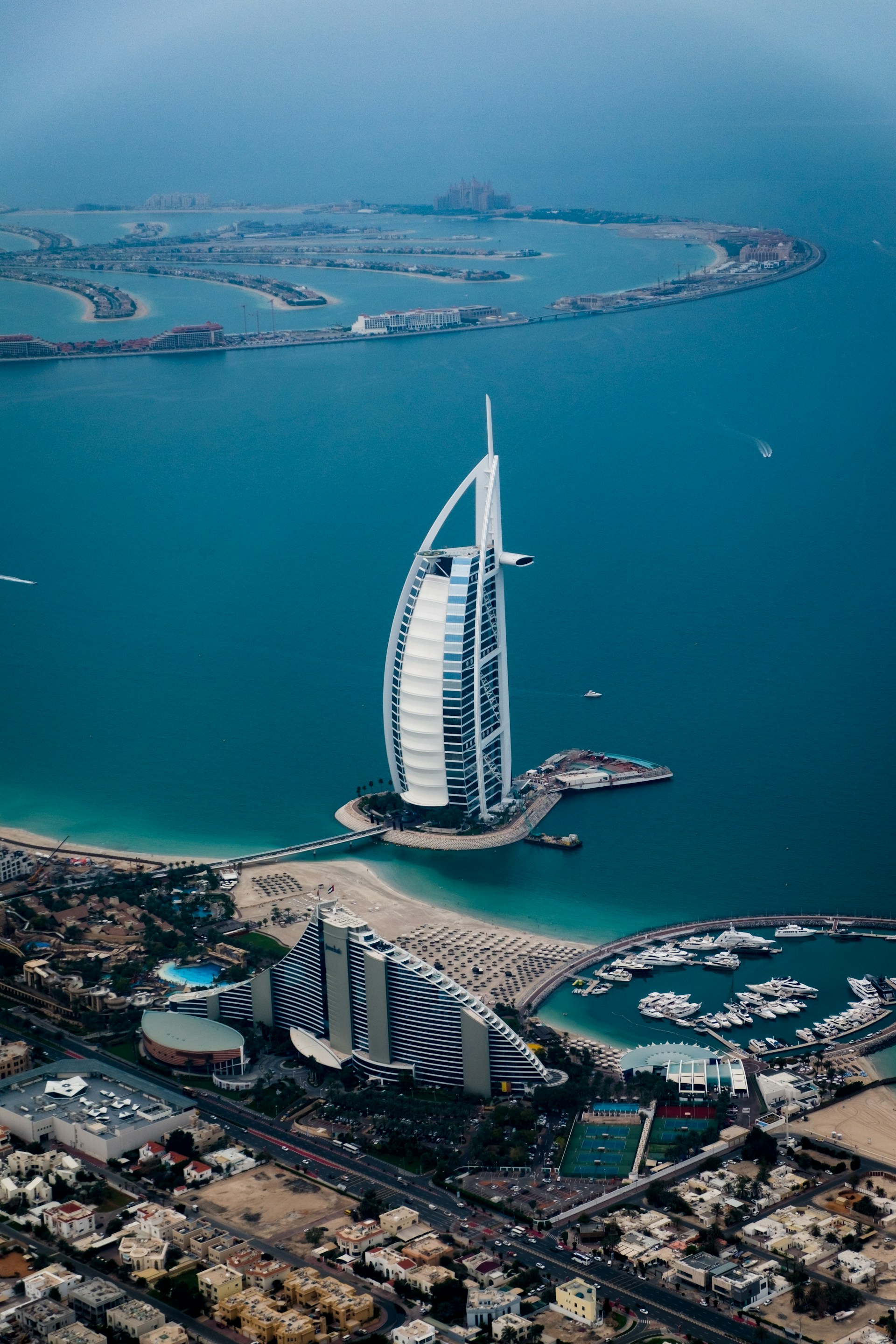
Palm Jumeirah at 25 — how the crescent is evolving in 2026 — updated view
When Nakheel's master-planned archipelago opened its trunk road in 2007, Palm Jumeirah became shorthand for ambition: signature villas, private beaches, and the
Dubai vs Abu Dhabi property — a side-by-side 2026 comparison
Dubai and Abu Dhabi sit less than 140 kilometres apart, yet their property markets could not be more distinct. Dubai has long been the region's commercial and l
Corporate relocation to Dubai — housing budgets, communities and lease structures
Dubai's corporate relocation landscape has matured considerably over the past decade, transforming from ad-hoc packages into structured frameworks that balance