
Dubai vs Abu Dhabi property — a side-by-side 2026 comparison
Dubai and Abu Dhabi sit less than 140 kilometres apart, yet their property markets could not be more distinct. Dubai has long been the region's commercial and l
The Emirates' two largest cities offer fundamentally different propositions to real estate buyers — and understanding the distinction is half the decision.
Introduction
Dubai and Abu Dhabi sit less than 140 kilometres apart, yet their property markets could not be more distinct. Dubai has long been the region's commercial and lifestyle powerhouse, anchored by developers such as Emaar, Damac, and Sobha, with vibrant freehold communities like Downtown Dubai, Dubai Marina, and Arabian Ranches drawing investors and families from over 200 nationalities. Abu Dhabi, the capital, is quieter, more regulated, and increasingly ambitious: Aldar and its state-backed peers are reshaping Yas Island, Saadiyat Island, and the Reem Island corridor with schools, museums, and master-planned precincts. Both cities offer foreign freehold ownership, competitive yields, and no property taxes, but the choice between them hinges on lifestyle tempo, developer reputation, education infrastructure, and your tolerance for rapid growth versus measured stability. This guide compares the two markets across price, rental yield, freehold access, developer landscape, lifestyle, schools, and transport — all through the lens of a 2026 buyer.
Price and affordability: liquidity versus value
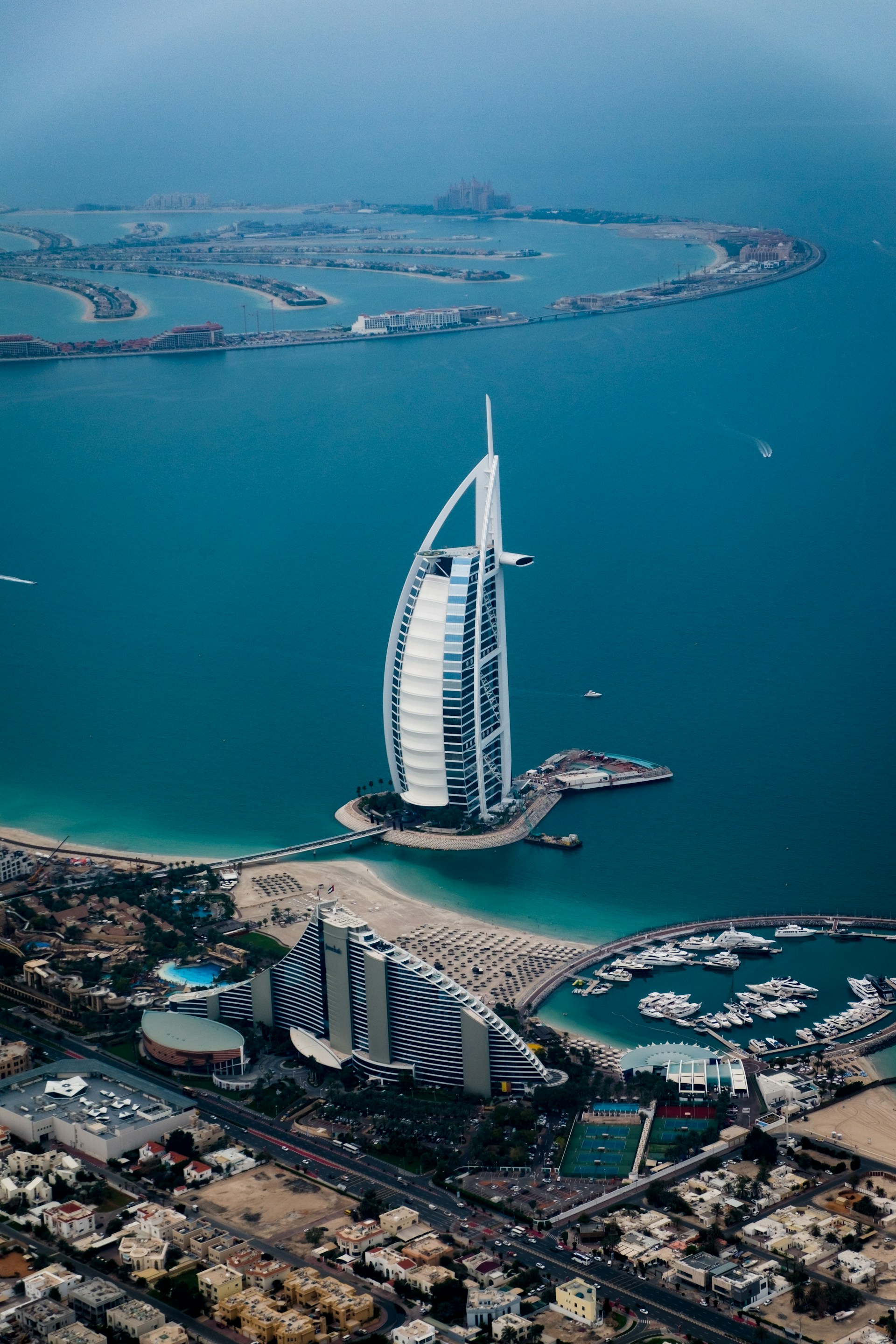
Dubai's market depth is unmatched in the Middle East. Listings span studio apartments in Jumeirah Village Circle starting around AED 500,000 to AED 600,000, three-bedroom villas in Dubai Hills Estate typically priced between AED 3 million and AED 5 million, and ultra-prime penthouses along Palm Jumeirah exceeding AED 30 million. That breadth attracts global capital, creating deep liquidity: properties trade frequently, and price discovery is transparent. The Dubai Land Department publishes transaction data daily, and the sheer volume of sales — more than 160,000 transactions were recorded in recent peak years — ensures buyers find comparables, negotiate from solid ground, and exit positions relatively quickly.
Abu Dhabi's pricing is lower on a per-square-foot basis, but the market is thinner. A two-bedroom apartment on Al Reem Island or Yas Island might range from AED 1.2 million to AED 2.2 million, while family villas in Saadiyat Lagoons or Yas Acres can sit between AED 2.5 million and AED 4.5 million. Properties here often deliver more space for the same outlay, appealing to families seeking larger floor plans without Dubai's premium. However, transaction velocity is slower, comparable listings are fewer, and resale can take longer, particularly in secondary pockets. For buyers prioritising value and space over liquidity, Abu Dhabi competes well; for those who value optionality and quick exits, Dubai remains the more fluid market.

Rental yields and investor appetite
Dubai is an investor's market by design. Net rental yields in established communities such as Dubai Marina, Business Bay, and Jumeirah Village Triangle typically range from 5 to 7 per cent, with some emerging pockets — particularly studio clusters in outlying areas — occasionally exceeding 8 per cent. The market is transparent, rental contracts are enforced through RERA's Ejari system, and landlords benefit from the city's transient professional population: tenants cycle regularly, ensuring steady demand. Short-term holiday rentals, while now more regulated under recent DTCM and DET licensing frameworks, add another income layer for owners willing to manage turnover.
Abu Dhabi's yields are slightly softer, commonly landing between 4.5 and 6.5 per cent, reflecting a smaller expatriate base and a rental market weighted toward government and energy-sector employees on long-term contracts. Supply has risen sharply as Aldar and other developers delivered thousands of new units on Reem Island and Yas Island, and absorption has not always kept pace. That said, the capital offers stability: tenant retention is high, voids are rare in well-located buildings, and rent fluctuations are more muted than Dubai's cyclical swings. Investors seeking reliable, low-drama income — particularly those with ties to government or healthcare sectors — may prefer Abu Dhabi's predictability over Dubai's higher returns and attendant volatility.
Freehold zones and developer landscape
Dubai's freehold map is vast and continually expanding. Scores of designated areas — from the iconic Downtown Dubai and Palm Jumeirah to newer schemes in Dubai South and Tilal Al Ghaf — allow full foreign ownership in perpetuity. Emaar remains the benchmark, with a proven track record across Downtown, Arabian Ranches, Dubai Hills Estate, and The Valley. Damac and Sobha compete with design-forward mid-market product, while Nakheel's legacy waterfront assets retain strong appeal. Off-plan launches are constant, and competition among developers keeps innovation high, though buyers must vet track records, delivery timelines, and post-handover service carefully.
Abu Dhabi's freehold footprint is smaller but deliberate. Key zones include Yas Island, Saadiyat Island, Al Reem Island, and the Corniche waterfront. Aldar Properties dominates: a listed, government-linked developer with deep pockets, strong governance, and a portfolio spanning Yas Acres, Noya, Mamsha Al Saadiyat, and the Reem Island towers. Aldar's delivery is generally reliable, finishes are competitive, and master planning integrates schools, retail, and leisure from the outset. The capital lacks Dubai's developer plurality, which reduces choice but also mitigates execution risk — there are fewer unknowns, fewer speculative entrants, and a clearer regulatory environment under the Abu Dhabi Department of Municipalities and Transport.
Lifestyle, amenities, and cultural tempo
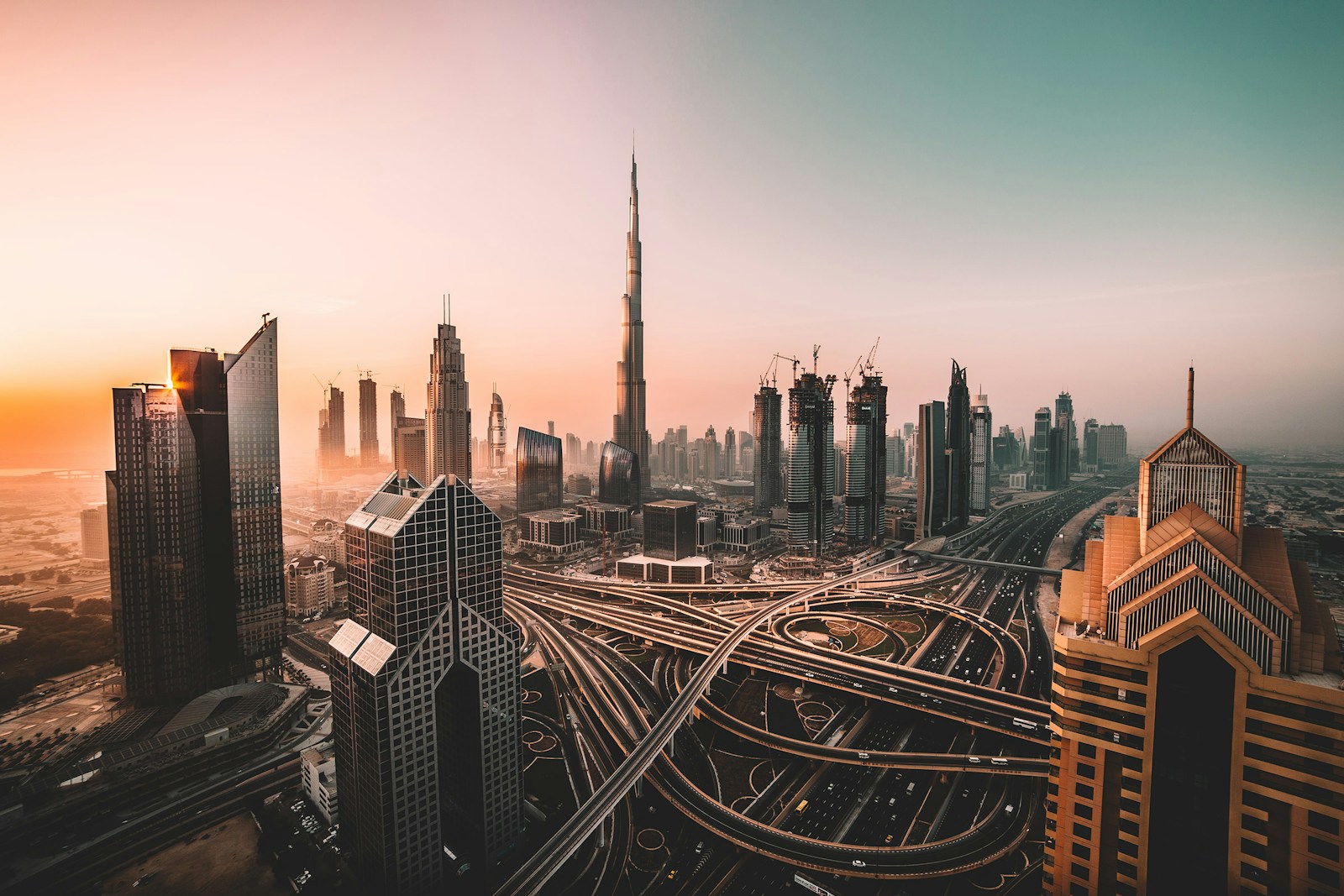
Dubai moves fast. The city's energy is commercial, cosmopolitan, and unabashedly consumerist: mega-malls, year-round events, a booming F&B scene, and a social calendar anchored by Art Dubai, the Dubai World Cup, and Expo City's ongoing activations. Beaches are plentiful but crowded; traffic is a daily reality, particularly on Sheikh Zayed Road. Families here accept trade-offs — long commutes, construction dust, and constant turnover — in exchange for choice, convenience, and career density. Neighbourhoods such as Arabian Ranches, The Springs, and The Meadows offer gated serenity within the maelstrom, but even these enclaves sit minutes from highways and retail hubs.
Abu Dhabi is quieter, greener, and more measured. Saadiyat's pristine beaches, the Louvre Abu Dhabi, and the forthcoming Guggenheim anchor a genuine cultural quarter; Yas Island's theme parks — Ferrari World, Yas Waterworld, Warner Bros. — draw families on weekends; and the Corniche's tree-lined paths feel almost Mediterranean. Road networks are wider, congestion lighter, and the urban fabric less frenetic. Restaurants and nightlife lag Dubai in volume and variety, though quality has improved. This is a city for those prioritising calm over buzz, parks over malls, and long-term residency over transactional churn. International families — particularly those relocating for multi-year assignments with government or energy firms — often find Abu Dhabi a better fit than Dubai's relentless pace.
Schools and airport connectivity
Education weighs heavily on family buyers. Dubai boasts the UAE's densest concentration of international schools: GEMS, Fortes Education, and Taaleem operate dozens of British, IB, and American curriculum campuses, while boutique offerings like Raffles World Academy and Nord Anglia serve niche demand. Popular schools in Arabian Ranches, Dubai Hills, and Jumeirah often carry waiting lists, and fees for premium institutions can run AED 70,000 to AED 100,000 per child annually. Choice is unmatched, but the market is fragmented and navigating applications requires early planning.
Abu Dhabi's school landscape is smaller but maturing fast. Aldar Education operates a network of academies across Yas Island, Reem Island, and beyond, covering British and IB curricula. Cranleigh Abu Dhabi, Repton, and the British International School Abu Dhabi serve expatriate families well, and quality is generally high. Fees are comparable to Dubai, though top-tier options remain fewer. Crucially, many master-planned communities integrate schools directly — Yas Acres and Saadiyat Lagoons, for instance, sit minutes from multiple campuses, simplifying the morning run.
Connectivity is a clear Dubai advantage. Dubai International (DXB) remains one of the world's busiest hubs, with Emirates linking to over 150 destinations; Al Maktoum International (DWC) in Dubai South will eventually eclipse it. Abu Dhabi International (AUH) is smaller and quieter, with Etihad serving the primary long-haul network. For frequent travellers, proximity to DXB — accessible from most Dubai communities within 20 to 40 minutes — tips the scales; Abu Dhabi buyers should budget an extra 60 to 90 minutes for Dubai departures or resign themselves to AUH's narrower timetable.
Practical takeaways
- Match market to liquidity need: Choose Dubai if you value deep transaction volume and future exit flexibility; opt for Abu Dhabi if you prioritise space, value, and plan to hold long-term.
- Benchmark developers rigorously: In Dubai, vet track records across multiple projects; in Abu Dhabi, lean toward Aldar and established listings with transparent snagging histories.
- Calculate total cost of ownership: Factor service charges (often higher in Dubai high-rises), school fees if relocating with children, and commute time to workplace or airport.
- Visit both cities over a week: Spend mornings navigating traffic, evenings in candidate communities, and weekends sampling leisure options to gauge lifestyle fit authentically.
- Engage local research before committing: Commission independent due diligence on community master plans, infrastructure timelines, and rental comps to avoid marketing hyperbole.
Frequently asked questions
Which emirate offers better rental yields in 2026?
Dubai generally edges ahead, with net yields in established freehold zones typically ranging from 5 to 7 per cent and some pockets exceeding 8 per cent. Abu Dhabi's yields sit between 4.5 and 6.5 per cent, reflecting a smaller tenant pool and recent oversupply in select areas. Dubai's higher turnover and short-term rental permissibility can lift income further, though they demand more active management. Investors prioritising cash flow usually favour Dubai; those seeking stable, hands-off tenancies lean toward the capital.
Are there tax differences between Dubai and Abu Dhabi property?
No. Neither emirate levies property tax, capital gains tax, or inheritance tax on real estate. Buyers pay a one-time registration fee — 4 per cent of purchase price in Dubai via the Land Department; 2 per cent plus a nominal AED 500 title deed fee in Abu Dhabi. Ongoing costs comprise service charges, which vary by community and developer, and municipal fees (typically a small percentage of annual rent). The federal introduction of corporate tax in 2023 does not apply to individual buy-to-let or owner-occupied residential holdings.
How do freehold ownership rights compare?
Both emirates grant full freehold title to foreign buyers in designated zones, conferring indefinite ownership, inheritance rights, and the ability to mortgage, lease, or sell without restriction. Dubai's freehold map is larger and more fragmented; Abu Dhabi's is smaller but clearly delineated and centrally managed. In practice, title registration in Dubai (via DLD) and Abu Dhabi (via the Department of Municipalities and Transport) is equally robust. The primary difference lies not in legal structure but in market liquidity and the ease of finding comparables when transacting.
Speak to Point Penta
Choosing between Dubai and Abu Dhabi is less about which market is "better" and more about aligning property fundamentals with your lifestyle cadence, investment horizon, and family needs. At Point Penta Real Estate, we help buyers and investors navigate both cities with research-led clarity, comparing communities, vetting developers, and modelling cash flows without the gloss of sales rhetoric. If you would like a confidential conversation about which emirate suits your circumstances, or a tailored shortlist of opportunities in either market, reach us at our office: 902, Ithra Tower, Al Garhoud, Dubai. Contact info@pointpenta.com or call +971 55 739 6664 — we look forward to the discussion.
Point Penta’s research desk publishes editorial market analysis every week. If you’re looking at property in Dubai, an advisor will share the full sales pack — inventory, comparables and the current pricing band — within one business day.
More from the desk
Palm Jumeirah at 25 — how the crescent is evolving in 2026 — updated view
When Nakheel's master-planned archipelago opened its trunk road in 2007, Palm Jumeirah became shorthand for ambition: signature villas, private beaches, and the
Corporate relocation to Dubai — housing budgets, communities and lease structures
Dubai's corporate relocation landscape has matured considerably over the past decade, transforming from ad-hoc packages into structured frameworks that balance
How to sell your Dubai apartment in a rising market
Dubai's residential market has demonstrated sustained momentum since mid-2020, with quarterly DLD transaction volumes regularly exceeding historical averages an