
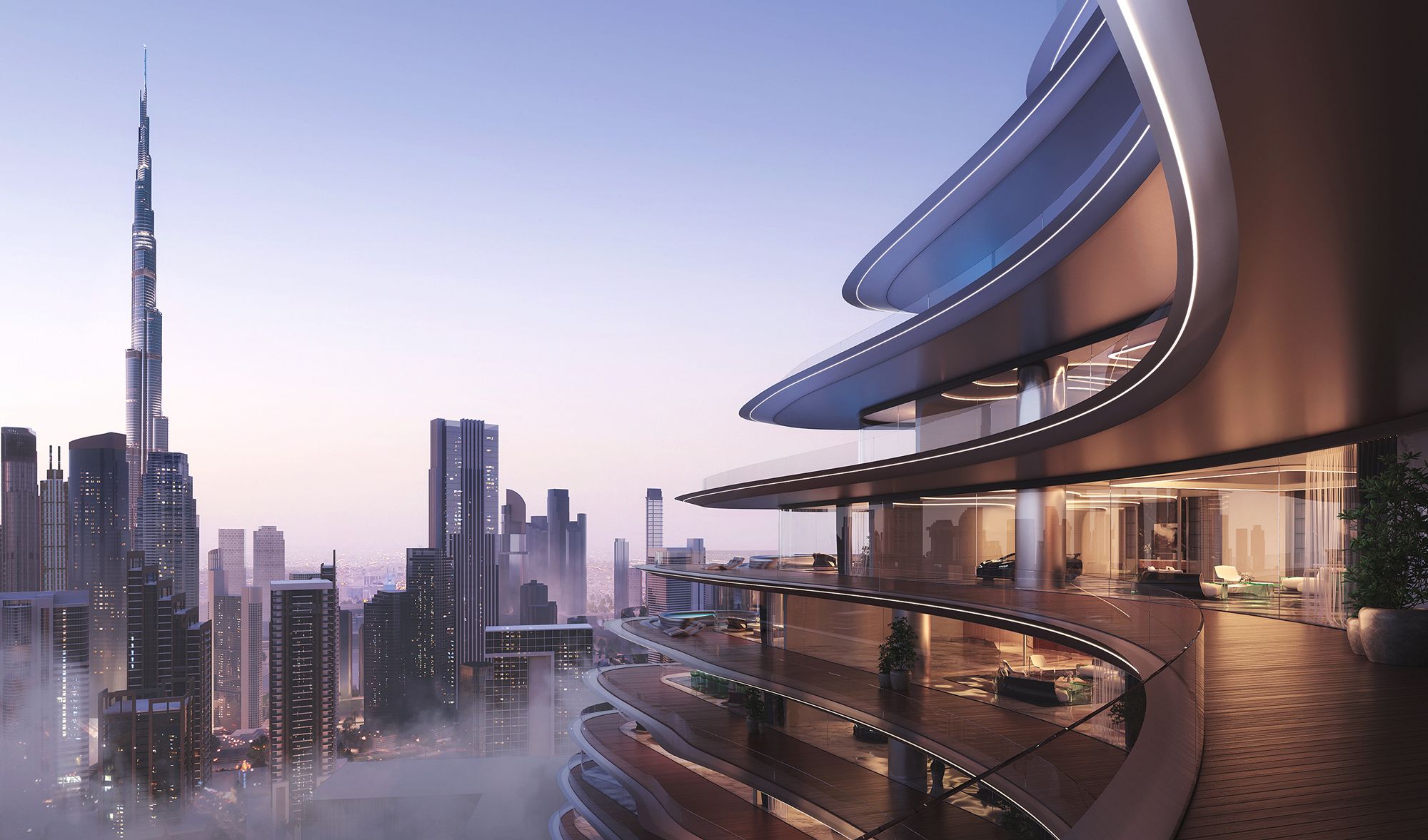
Dubai property ROI — annual capital growth 2015–2025 by community
Between 2015 and 2025, Dubai's residential market moved through three distinct phases: a correction following Expo 2020's announcement euphoria, a pandemic-acce
Dubai property ROI — annual capital growth 2015–2025 by community
Over the past decade, Dubai's freehold communities have delivered divergent returns—some tripling investor equity, others moving sideways—and understanding those patterns is the first step toward building a resilient portfolio for the next cycle.
Introduction
Between 2015 and 2025, Dubai's residential market moved through three distinct phases: a correction following Expo 2020's announcement euphoria, a pandemic-accelerated flight to quality, and a post-2021 liquidity surge that lifted nearly every community. The Dubai Land Department's transaction ledger—though aggregated at emirate level—tells a story of neighbourhood-level divergence. Palm Jumeirah villas, supported by scarcity and beachfront demand, outpaced high-rise clusters in Dubai Marina and Jumeirah Beach Residence, while established mid-market communities like Arabian Ranches and The Springs delivered steadier, inflation-hedged appreciation. Emaar's Downtown Dubai and Dubai Hills Estate, Nakheel's legacy islands, and newer precincts such as Dubai South each followed their own trajectory, shaped by supply pipelines, amenity maturation, and investor sentiment. This post examines illustrative ten-year capital-growth bands by community type, draws lessons from the data, and sketches a forward view through 2028.
Headline growth ranges by community archetype, 2015–2025
Luxury waterfront enclaves—principally Palm Jumeirah and, to a lesser extent, Emirates Hills—have posted cumulative capital appreciation in the range of 100–130 per cent over the decade. Palm Jumeirah villas benefited from finite land supply, high-net-worth buyer inflows from India, the United Kingdom, and Russia, and successive waves of amenity investment: Nakheel Mall, The View at The Palm, beachfront dining precincts, and a growing portfolio of branded residences. Frond and signature villas that traded around AED 10–12 million in early 2015 were routinely changing hands at AED 20–25 million by late 2024, reflecting both nominal appreciation and significant renovation uplift.
High-density Downtown Dubai apartments—dominated by Emaar's Address, Boulevard, and Opera District towers—demonstrated cumulative growth closer to 80–95 per cent. The precinct's brand strength, proximity to Dubai Mall and the Burj Khalifa, and short-term rental yields underpinned resilience, though the sheer volume of post-2020 handovers in surrounding Business Bay dampened peak momentum. By contrast, Dubai Marina and JBR apartments, heavily skewed toward investor stock and short-term letting, appreciated by approximately 60–75 per cent over the same window, constrained by elevated vacancy during 2016–2019 and regulatory changes around holiday-home licensing.
Mid-market villa communities—Arabian Ranches, The Springs, Meadows, and Motor City—clustered in a 70–85 per cent cumulative band, buoyed by family demand, school catchments, and Emaar's and Nakheel's stewardship of master plans. Newer integrated precincts such as Dubai Hills Estate and Damac Hills posted 50–65 per cent, reflecting later delivery timelines and the typical lag between handover and secondary-market liquidity.
Divergence drivers: scarcity, yield, and amenity density
Three structural factors explain the spread. Scarcity matters: communities with capped supply—Palm Jumeirah has finite fronds, Emirates Hills no new plots—command premium multiples during liquidity cycles.Net rental yield acts as a valuation floor; neighbourhoods offering 5–7 per cent gross yields (Marina, JBR, International City) attract yield-chasing capital but face compression when too many units chase tenants, whereas sub-4 per cent yield enclaves (Palm, Emirates Hills, parts of Downtown) rely on capital-gain expectations and end-user prestige.Amenity density—schools, metro access, retail and F&B critical mass—determines family buyer stickiness and price resilience during downturns.
Between 2015 and 2018, communities lacking metro connectivity or diverse retail suffered steeper corrections. Arabian Ranches and The Springs, both car-dependent, saw prices dip 15–20 per cent but rebounded sharply post-2020 as villa demand eclipsed apartment interest. Meanwhile, Business Bay—metro-linked and dense—held rental income but lagged capital growth because transient tenant profiles reduced neighbourhood cohesion. By 2022, the hierarchy had clarified: waterfront scarcity and family-optimised layouts commanded the highest growth premiums, mid-market villas offered stable compounding, and apartment clusters rewarded active management and short-term-let licences but delivered lower passive appreciation.
A secondary driver was currency and wealth migration. Post-Brexit liquidity, Indian liberalisation of outbound investment, Russian capital flight in 2022, and Chinese diversification all funnelled into flagship, English-speaking, freehold precincts—Palm, Downtown, Dubai Hills—compressing cap rates and inflating trophy-asset multiples at rates decoupled from emirate-wide averages.
Forward outlook: 2026–2028 growth scenarios
Forecasting the next triennium requires acknowledging four headwinds and two tailwinds. On the challenging side:supply delivery will peak in 2025–2026, with CBRE and JLL estimating 60,000–70,000 new units across apartments and villas; interest-rate normalisation in the UAE, tracking the US Federal Reserve, increases mortgage cost and compresses speculative leverage; regulatory tightening around short-term rentals and escrow law enforcement may dampen some high-yield submarkets; and valuation stretch in Palm Jumeirah and Emirates Hills—where price-to-income ratios now exceed 20×—limits the pool of end-user buyers. Conversely, two tailwinds persist: demographic momentum (expatriate population growth, golden-visa family settlement) sustains occupier demand, and diversification of economic base (tech, finance, logistics) reduces oil-price correlation and attracts institutional capital.
Under a base-case scenario—modest global growth, stable oil around USD 75–85, gradual Fed easing—we expect aggregate Dubai residential appreciation of 3–6 per cent annually through 2028. Within that, scarcity-constrained villa communities (Palm, Jumeirah Islands, parts of Arabian Ranches) may compound at 5–8 per cent, supported by sticky family buyers and limited new land release. Downtown and Business Bay apartments likely track 2–4 per cent, absorbing new supply and maturing into yield plays. Emerging precincts—Dubai South, Tilal Al Ghaf, parts of Dubailand—offer 4–7 per cent if infrastructure (metro, schools, retail) materialises on schedule but carry execution risk. A bear case—global recession, sustained high rates—could flatten or modestly negative-print for two years before resuming; a bull case—another liquidity event, Expo 2030 momentum—might lift the market 8–12 per cent annually, though sustainability at that pace is doubtful beyond eighteen months.
Constructing a balanced, multi-community ROI strategy
Astute portfolio construction blends capital growth, income yield, and liquidity across community types. A core holding might be a freehold villa in a mature, school-adjacent master plan—Arabian Ranches 2, The Springs, or Reem—offering 4–5 per cent rental yield and steady 5–7 per cent annual appreciation, insulating against volatility. A satellite position in a high-growth scarcity asset—Palm Jumeirah townhouse, Emirates Hills plot—captures upside during boom phases but requires patient capital and acceptance of lower yield and higher entry multiples.
Income-focused investors layer in well-located studio or one-bedroom apartments in Business Bay, Dubai Marina, or JBR, targeting 6–7 per cent gross yields and active short-term-let management; these dampen capital swings but demand hands-on oversight or professional property-management partnerships. Speculative allocations to off-plan launches in emerging nodes—Mohammed Bin Rashid City, Dubai South, Meydan—offer discounted entry and developer payment plans but carry completion, market-timing, and liquidity risks that suit only a minority sleeve of a diversified book.
Geographic and typological diversification within Dubai—not merely across asset class but across maturity curve, tenant profile, and transport linkage—smooths return volatility and ensures at least one community cohort performs in any given macro regime. Quarterly rebalancing, informed by transaction velocity (DLD monthly reports), rental-index movements (RERA), and supply calendars (developer IR releases), keeps the portfolio aligned with cyclical shifts rather than anchored to outdated theses.
Practical takeaways
-
Prioritise scarcity over scale: communities with finite supply and established amenity networks—Palm Jumeirah, Emirates Hills, mature Emaar and Nakheel villa clusters—historically deliver superior long-term capital growth and weather downturns with shallower drawdowns.
-
Balance yield and appreciation: pure capital-gain plays require patient horizons; blending villa holdings (appreciation-led) with well-located apartments (yield-led) improves cash-flow coverage and portfolio resilience.
-
Track supply pipelines by submarket: aggregate emirate-level statistics mask hyperlocal oversupply; cross-reference developer handover schedules with existing inventory to avoid saturated pockets, especially in Business Bay and outer Dubailand.
-
Underwrite worst-case rental scenarios: stress-test acquisitions assuming 10–15 per cent rental declines and six-month void periods; if the investment still pencils at those levels, downside is contained.
-
Engage transaction data actively: DLD's monthly sales reports, RERA's rental index, and broker sentiment surveys offer real-time signals; quarterly portfolio reviews informed by fresh data prevent inertia and enable tactical shifts before sentiment turns.
Frequently asked questions
Which Dubai community has delivered the highest ten-year capital growth?
Palm Jumeirah villas have led the market, with cumulative appreciation typically in the 100–130 per cent range between 2015 and 2025. Scarcity—limited frond inventory and no new land release—combined with consistent high-net-worth demand, branded-residence developments, and amenity expansion have underpinned these gains. Emirates Hills plots also performed strongly, though transaction volumes are lower and liquidity thinner. Downtown Dubai and Arabian Ranches cluster in the 70–95 per cent band, offering more accessible entry points with robust growth.
How reliable are Dubai Land Department transaction data for forecasting?
DLD data provide the most comprehensive public record of registered sales across all freehold communities, updated monthly and published via official channels and partner platforms. However, aggregate headline indices can mask neighbourhood-level divergence, off-plan versus secondary splits, and seasonal volatility. Best practice combines DLD figures with RERA rental indices, developer handover calendars, mortgage approval trends, and broker sentiment to triangulate a fuller picture. For forward-looking analysis, historical DLD patterns inform probability ranges rather than deterministic forecasts.
What capital-growth rate should I expect for a Dubai villa in 2026–2028?
Under a base-case scenario—stable global growth, gradual interest-rate easing, continued expatriate inflows—established villa communities such as Arabian Ranches, The Springs, and parts of Dubai Hills Estate may appreciate 4–7 per cent annually. Scarcity-premium locations like Palm Jumeirah or Jumeirah Islands might reach 5–8 per cent, while newer precincts in Mohammed Bin Rashid City or Dubai South carry wider ranges—potentially 4–7 per cent if infrastructure delivers on time, but with execution risk. Aggregate emirate appreciation is forecast at 3–6 per cent, acknowledging elevated supply and valuation stretch in some segments.
Speak to Point Penta
Dubai's real-estate mosaic rewards clarity, patience, and data discipline—qualities our research team brings to every client conversation. Whether you are calibrating a villa purchase in Arabian Ranches, weighing off-plan opportunities in emerging precincts, or stress-testing rental yield assumptions for a Marina apartment, we translate market intelligence into actionable, tailored guidance. Visit us at 902, Ithra Tower, Al Garhoud, Dubai, or reach out by email at info@pointpenta.com or telephone on +971 55 739 6664. We look forward to helping you navigate the next phase of Dubai's property cycle with confidence and precision.
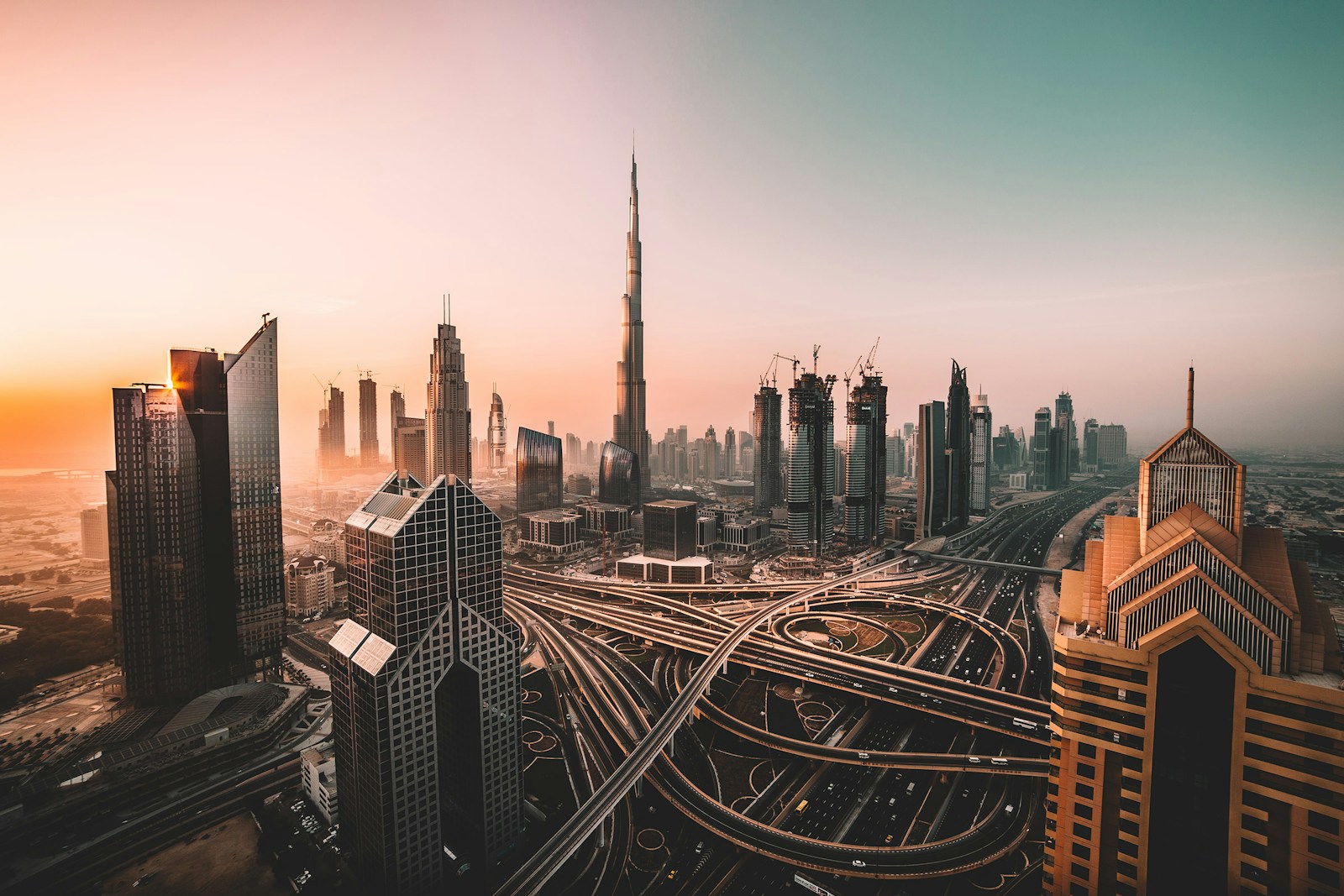
Point Penta’s research desk publishes editorial market analysis every week. If you’re looking at property in Dubai, an advisor will share the full sales pack — inventory, comparables and the current pricing band — within one business day.
More from the desk
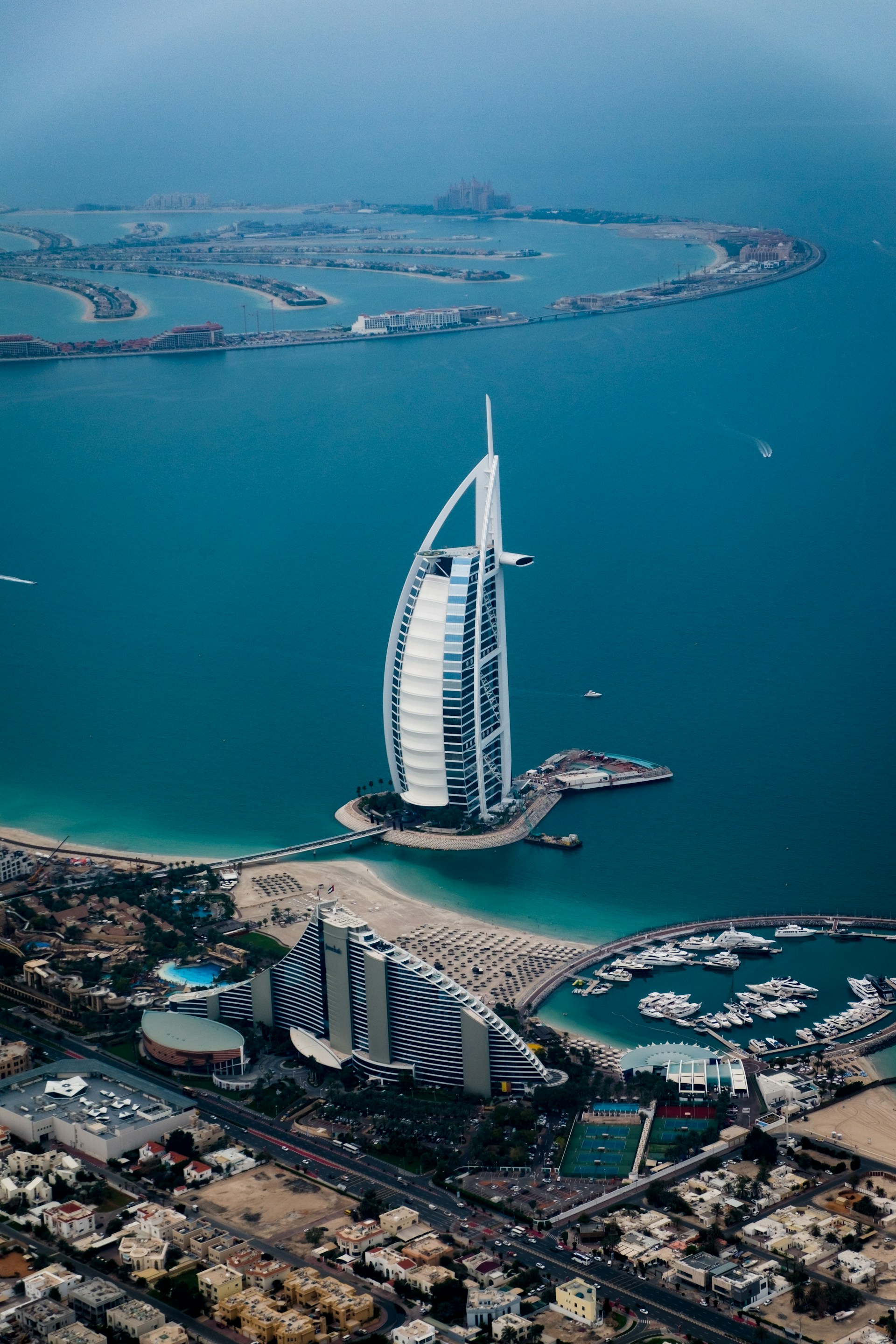
Palm Jumeirah at 25 — how the crescent is evolving in 2026 — updated view
When Nakheel's master-planned archipelago opened its trunk road in 2007, Palm Jumeirah became shorthand for ambition: signature villas, private beaches, and the
Dubai vs Abu Dhabi property — a side-by-side 2026 comparison
Dubai and Abu Dhabi sit less than 140 kilometres apart, yet their property markets could not be more distinct. Dubai has long been the region's commercial and l
Corporate relocation to Dubai — housing budgets, communities and lease structures
Dubai's corporate relocation landscape has matured considerably over the past decade, transforming from ad-hoc packages into structured frameworks that balance