
Dubai off-plan launches to watch in Q1 2026
Dubai's off-plan pipeline has matured considerably since the heady expansion years of the early 2020s. Today's launches reflect tighter municipal oversight, enh
The opening quarter of 2026 promises a disciplined, design led cohort of projects that balances ambition with deliverability—qualities the market now prizes above headline scale.
Introduction
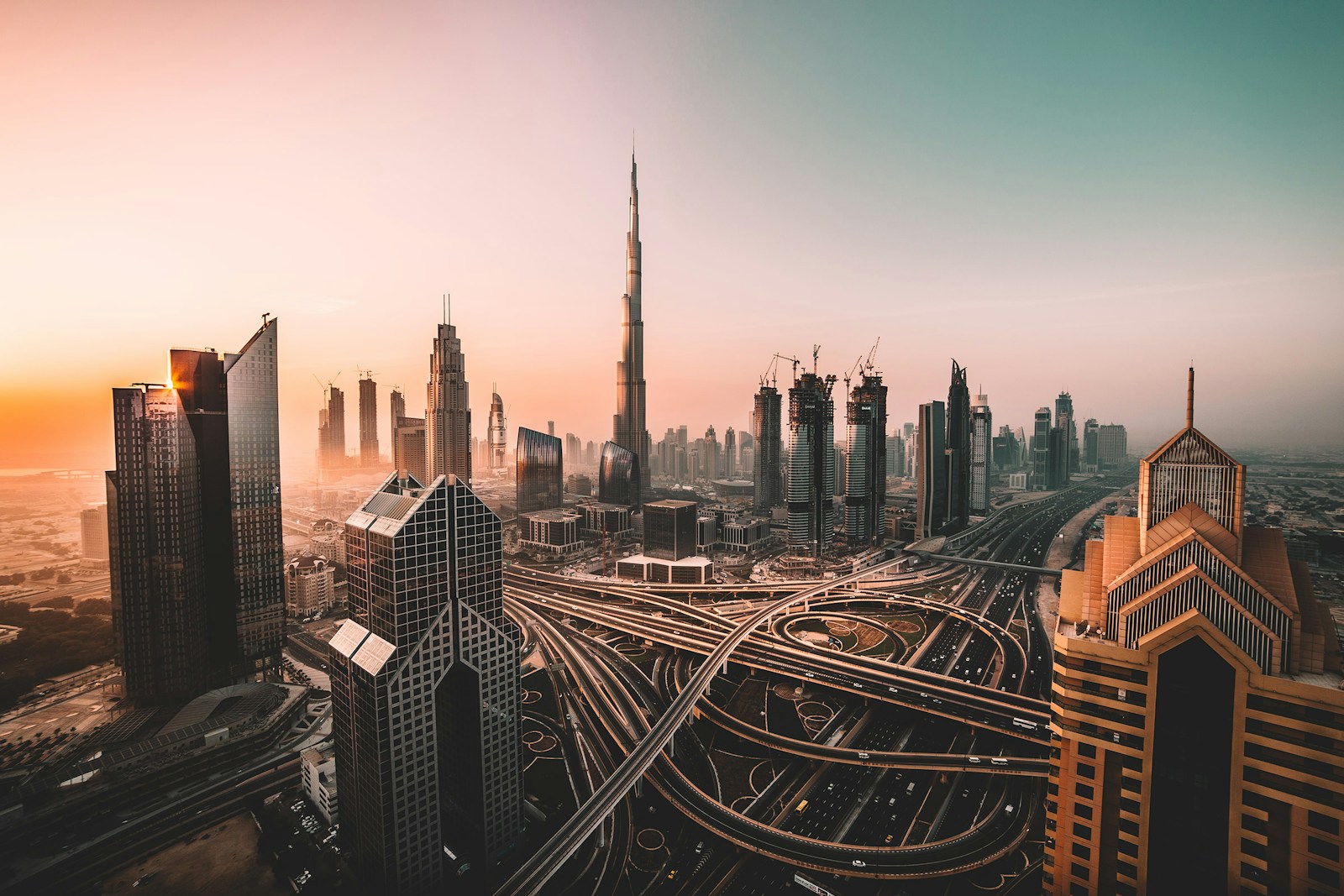
Dubai's off-plan pipeline has matured considerably since the heady expansion years of the early 2020s. Today's launches reflect tighter municipal oversight, enhanced escrow governance under RERA, and a developer class that has learned the cost of overpromising. Q1 2026 brings a curated slate of projects from Emaar, DAMAC, Sobha Realty, Nakheel and Meraas, each calibrated for specific buyer segments, from urban professionals seeking walkable neighbourhoods to international families drawn to green, villa-led communities. Payment plans remain investor-friendly, yet construction timelines are growing more conservative, a welcome shift after years of optimism. This preview examines the launches worth tracking, the pricing bands they are likely to occupy, and the strategic levers—location, unit mix, handover schedules—that will determine their resonance in a market that now values transparency as much as opportunity.
Emaar's mid-rise expansion in Dubai Creek Harbour
Emaar Properties is expected to unveil two mid-rise residential towers within the central Creek Island district during the first quarter. Both buildings will sit within walking distance of Creek Marina and the planned Vida hotel node, appealing to buyers who prioritise waterfront proximity and integrated amenities over sheer height. Unit counts are anticipated to range between 180 and 220 apartments per tower, with one- and two-bedroom configurations dominating the mix. Studios are unlikely to feature, reflecting Emaar's strategic pivot toward layouts that accommodate longer-term occupancy and family use.
Illustrative pricing is expected to fall between AED 1,900 and AED 2,300 per square foot—positioning these launches above earlier Creek Harbour phases but below the premium Dubai Marina or Downtown benchmarks. Payment plans will probably follow Emaar's established 60/40 structure: 60 per cent during construction across staged milestones, 40 per cent on handover. Completion is pencilled for Q3 2028, a timeline that assumes no major regulatory or infrastructure delays. The projects will benefit from Creek Harbour's expanding transport links, including the planned metro extension and improved road corridors into Business Bay and Ras Al Khor. For buyers, the proposition hinges on predictable delivery, brand assurance and access to a maturing master-plan community that is gradually overcoming its early reputation for remoteness.

DAMAC's branded residences in Business Bay
DAMAC Properties appears set to launch a co-branded residential tower in Business Bay, the third such collaboration in the precinct following earlier partnerships with international lifestyle marques. The project is rumoured to comprise approximately 300 units spread across 45 storeys, with the majority allocated to one-bedroom apartments and compact two-bedroom variants. Penthouses and sky villas will likely occupy the uppermost floors, though volumes will be limited to preserve exclusivity and pricing power.
Business Bay remains one of Dubai's most liquid secondary markets, which explains DAMAC's repeat focus on the area. Anticipated pricing for standard units is expected to sit within the AED 1,700 to AED 2,100 per square foot range, while branded penthouses may reach AED 3,000 per square foot or above. Payment terms are forecast to mirror DAMAC's recent offerings: a modest booking fee—often five per cent—followed by post-handover instalments stretching two to three years beyond completion. This deferred structure appeals to investors seeking rental income before final settlement, though buyers should model rental yield assumptions conservatively; Business Bay's abundant supply can exert downward pressure on lease rates.
Handover is provisionally scheduled for late 2028. The building will include signature amenities tied to the brand partner—typically a curated residents' lounge, co-working spaces, and wellness facilities—that differentiate it from neighbouring generic stock. DAMAC's ability to deliver on time has improved markedly in recent cycles, a factor that underwrites buyer confidence and resale premiums alike.
Sobha Realty's villa community in Dubai Land
Sobha Realty is preparing to release the next phase of its master-planned villa enclave in Dubailand, a district that has quietly transitioned from speculative fringe to genuine residential heartland. The new tranche will introduce approximately 150 to 180 detached and semi-detached villas, predominantly three- and four-bedroom layouts with private gardens and two-car garages. Plot sizes are expected to range from 2,200 to 3,500 square feet, appealing to mid-market families who value space and greenery over proximity to commercial cores.
Sobha's reputation rests on finishing quality and punctual handovers—twin strengths that command price premiums in villa segments where build inconsistency is common. Indicative pricing is likely to span AED 2.0 to AED 2.5 million per unit, translating to roughly AED 900 to AED 1,100 per square foot when land and built-up area are combined. Payment plans will probably follow a 40/60 model: 40 per cent during construction, 60 per cent on completion, with handover anticipated in Q4 2027. This relatively compressed timeline reflects Sobha's preference for phased, smaller releases that it can control end-to-end.
The development sits near arterial links to Al Ain Road and Emirates Road, placing international schools, Mirdif City Centre and Dubai Hills Mall within a twenty-minute drive. Community facilities—children's play zones, jogging circuits, retail clusters—will be delivered in tandem with the villas, reducing the frustration buyers sometimes experience in speculative master-plans where infrastructure lags occupancy. For families prioritising garden living without sacrificing connectivity, Sobha's Dubailand offering represents a sensible middle path.
Nakheel and Meraas: completions over new supply
Unlike their larger counterparts, Nakheel and Meraas are expected to adopt a more measured posture in Q1 2026, prioritising handovers of existing inventory over fresh project announcements. Nakheel's focus will remain on completing late-phase units within Palm Jebel Ali and Al Furjan, both communities where occupancy rates are climbing and resale momentum is building. Any new release is likely to be modest in scale—perhaps a single mid-rise block or a boutique villa cluster—rather than a headline-grabbing master-plan launch.
Meraas, meanwhile, continues to refine its mixed-use portfolio in City Walk, Bluewaters and La Mer. Market intelligence suggests a possible residential component above the upcoming retail expansion at City Walk, though no formal announcement has been made. Should such a project materialise, expect design-forward apartments with flexible layouts, high ceilings and direct access to retail and F&B—hallmarks of the Meraas aesthetic. Pricing would probably reflect the premium nature of the precinct, with figures in the AED 2,400 to AED 2,800 per square foot range not unreasonable for well-positioned stock.
Both developers benefit from strong brand equity and proven track records in place-making, attributes that matter more in 2026 than sheer unit volume. Buyers attracted to Nakheel or Meraas launches should anticipate competitive allocation processes, given limited supply, and be prepared to act swiftly once sales open. Payment structures are expected to remain investor-friendly, though post-handover terms may be shorter than those offered by volume players like DAMAC.
Practical takeaways
-
Monitor developer portals and licensed broker channels early—allocations for high-quality Q1 launches can close within days of public release, especially in branded or villa segments.
-
Review RERA escrow disclosures before committing—confirm that the project is registered, funds are ring-fenced, and construction milestones are clearly defined in the sale-and-purchase agreement.
-
Model net yields conservatively if buying to let—Business Bay and older Creek Harbour precincts face meaningful rental supply; assume gross yields of 5.5 to 6.5 per cent and budget for service charges and vacancy periods.
-
Favour developers with demonstrable handover discipline—Emaar, Sobha and select DAMAC projects have reliable recent records; this predictability reduces refinancing risk and protects resale value.
-
Engage independent legal review for payment plans extending beyond handover—post-completion instalments create contingent liabilities; ensure your financing and exit strategy can accommodate deferred settlement.
Frequently asked questions
What deposit will I need to secure an off-plan unit in Q1 2026?
Booking deposits typically range from five to ten per cent of the purchase price at the point of reservation, though some developers require fifteen per cent by the first milestone. Emaar and Sobha often ask for ten per cent upfront; DAMAC sometimes starts lower but structures more frequent instalments. Always confirm the full payment schedule in writing before signing the reservation form, as terms can vary between projects even within the same developer's portfolio.
Are payment plans still available beyond handover in 2026 projects?
Yes, post-handover payment plans remain a feature of several anticipated launches, particularly those from DAMAC and certain Nakheel phases. These arrangements allow buyers to spread 20 to 40 per cent of the purchase price over two to three years after taking possession, facilitating rental income before final settlement. However, such plans may carry implicit pricing premiums, so compare per-square-foot rates against cash-equivalent benchmarks. Ensure you understand any interest or administrative charges embedded in the deferred structure.
How do I verify a project's registration and escrow compliance?
Visit the Dubai REST app or RERA's online portal and search for the project by name or developer. Registered developments will display an escrow account number, approved master-plan reference and construction timeline. Cross-check these details against the sale-and-purchase agreement your developer provides. If discrepancies appear—or if the project is absent from official listings—postpone your deposit until the developer rectifies registration. RERA's transparency framework is robust; use it to your advantage before committing capital.
Speak to Point Penta
Dubai's off-plan market rewards preparation, patience and access to verified intelligence. At Point Penta, we track launch calendars, payment mechanics and community maturity curves so you can separate opportunity from noise. Whether you are calibrating your first investment or rebalancing an existing portfolio, our research-led approach ensures you enter only those projects that meet your risk appetite and timeline. Visit us at 902, Ithra Tower, Al Garhoud, Dubai, or reach out by email at info@pointpenta.com or telephone on +971 55 739 6664. We look forward to the conversation.
Point Penta’s research desk publishes editorial market analysis every week. If you’re looking at property in Dubai, an advisor will share the full sales pack — inventory, comparables and the current pricing band — within one business day.
More from the desk
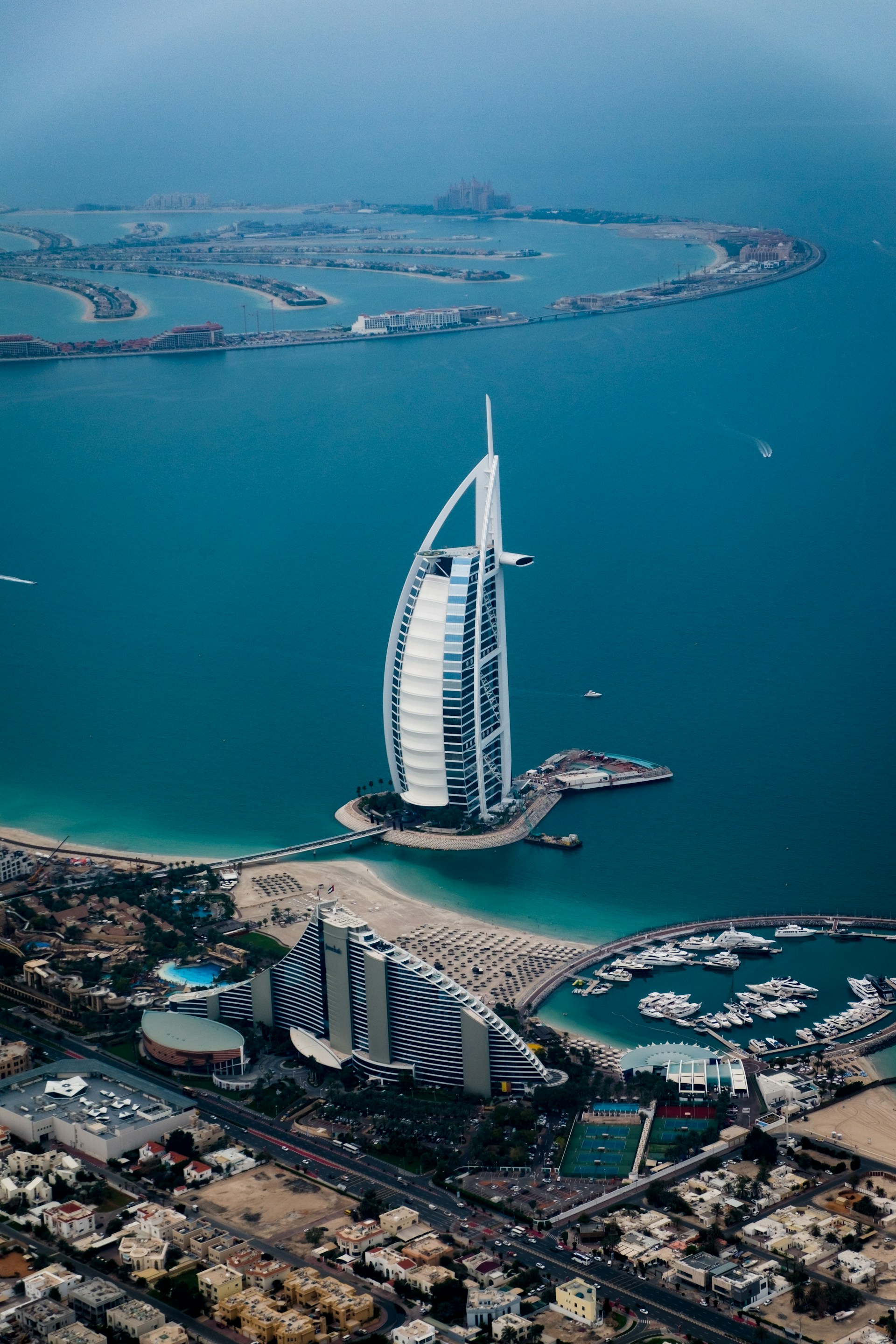
Palm Jumeirah at 25 — how the crescent is evolving in 2026 — updated view
When Nakheel's master-planned archipelago opened its trunk road in 2007, Palm Jumeirah became shorthand for ambition: signature villas, private beaches, and the
Dubai vs Abu Dhabi property — a side-by-side 2026 comparison
Dubai and Abu Dhabi sit less than 140 kilometres apart, yet their property markets could not be more distinct. Dubai has long been the region's commercial and l
Corporate relocation to Dubai — housing budgets, communities and lease structures
Dubai's corporate relocation landscape has matured considerably over the past decade, transforming from ad-hoc packages into structured frameworks that balance