
Dubai Marina vs JBR — which waterfront works for whom?
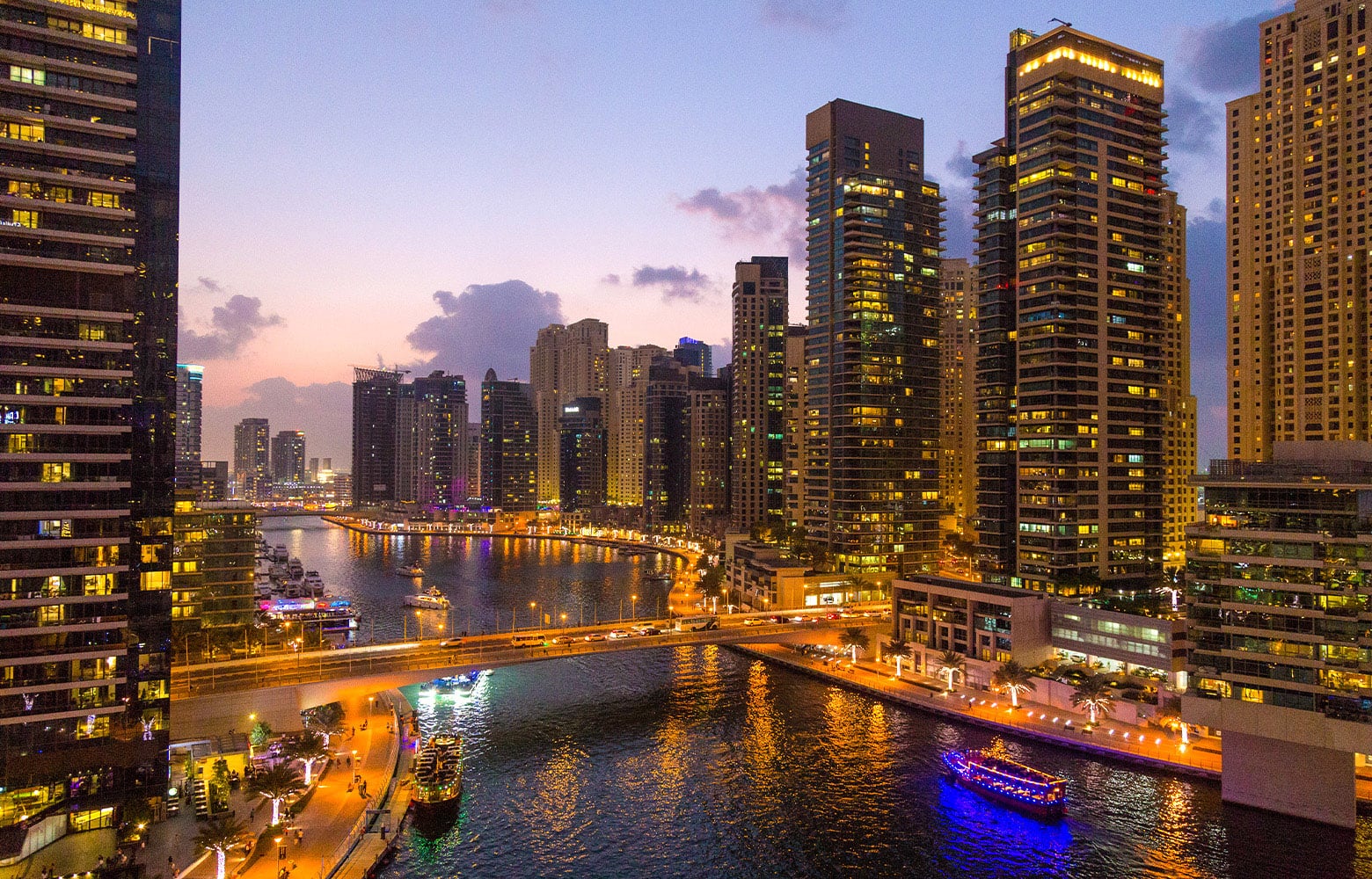
Dubai Marina and Jumeirah Beach Residence occupy adjacent stretches of Dubai's western shore, yet they answer fundamentally different questions about waterfront
Dubai Marina vs JBR — which waterfront works for whom?
Two postcodes, one coastline—but the buyer who thrives in one may find the other stifling.
Introduction
Dubai Marina and Jumeirah Beach Residence occupy adjacent stretches of Dubai's western shore, yet they answer fundamentally different questions about waterfront living. Marina wraps around a man-made canal lined with fifty-plus towers; JBR opens directly onto a two-kilometre public beach and a pedestrianised boulevard. Both precincts matured in the mid-2000s under Emaar (Marina) and DMCC (JBR), and both remain liquid, high-tenure submarkets. In 2025 the Dubai Tram extension pushed through to Dubai Harbour, tightening connectivity between them and placing each on the wider RTA spine. Yet unit typologies, service-charge structures, tenant profiles and even the rhythm of daily life diverge enough that choosing between them is rarely an either-or exercise in spreadsheet yield—it is a question of lifestyle fit, resale appetite and the walk-to-beach factor that still commands a premium in secondary sales.
Unit sizes and typology mix
Dubai Marina's tower stock skews toward compact one- and two-bedroom apartments—many in the 650–900 sq ft range for a one-bed, 1,000–1,400 sq ft for a two-bed. Towers such as Marina Gate, Cayan and Damac Heights were designed for investor-grade density rather than family-scale footprints. Balconies are narrow; floor-to-ceiling glass is ubiquitous; and layouts favour open-plan galley kitchens. Penthouses and three-bedroom corner units exist—particularly in Princess Tower, 23 Marina and Torch Tower—but the preponderance of stock is purpose-built for single professionals and expatriate couples.
JBR counters with a broader typological spread. Six clusters—Sadaf, Bahar, Rimal, Amwaj Rotana Suites, Murjan and Shams—offer one-, two-, three- and four-bedroom apartments, many with usable terraces above the fifteen-metre mark. Typical one-bedroom units run 750–1,000 sq ft; two-beds stretch to 1,200–1,600 sq ft; and larger three-beds in Murjan or Rimal can exceed 1,800 sq ft with unobstructed Gulf views. The podium retail arcades—The Walk and The Beach—sit beneath residential slabs, insulating upper floors from street noise while keeping cafés and supermarkets within lift-and-lobby distance. For families seeking breathing room without forfeiting beachfront proximity, JBR's typology mix delivers more square metres per dirham and layouts that accommodate children, home offices and storage.
Service charges and total cost of ownership
Service charges in both precincts remain a material line item, but the delta can shift hold-period economics by five to eight per cent over a typical three-year ownership cycle. In Dubai Marina, monthly fees cluster around AED 12–18 per square foot annually, depending on tower age, amenity load and facilities-management contract. Older towers—Marina Pinnacle, The Waves—occasionally edge lower; newer or amenity-heavy buildings (Address Marina, Marina Gate) trend toward the upper band. On a 900 sq ft one-bedroom, that translates to roughly AED 10,800–16,200 per year—manageable but not trivial when stacked against rental yield.
JBR's headline figures appear comparable—AED 14–20 per square foot annually—but the inclusion of district cooling, security patrols, podium-level landscaping and direct beach-access infrastructure often bundles services that Marina residents purchase separately. DMCC-managed clusters benefit from centralised procurement; some landlords report predictable year-on-year escalation rather than sudden levy spikes. For investor-buyers modelling net yield, JBR's slightly higher absolute charge may still deliver better retained income if vacancy is shorter and tenant churn lower. Owner-occupiers, meanwhile, tend to weigh service quality over headline cost: JBR's communal courtyards and maintained Beach promenade score well in resident satisfaction surveys, while Marina's canal-walk upkeep can vary tower by tower.
Tenant demographics and vacancy cycles
Dubai Marina attracts a younger, transient demographic—entry-level finance professionals, airline crew on short rotations, and remote workers drawn to co-working hubs in the wider neighbourhood. Lease tenures average twelve months; turnover is brisk; and landlords who underprice by AED 5,000 can secure tenants within two weeks, while those at market ceiling may wait thirty to forty-five days. The precinct's density and nightlife—Barasti, Lock Stock & Barrel, the cluster of shisha lounges along Marina Walk—reinforce its reputation as a high-energy, late-twenties enclave. Families are present but seldom dominant; most migrate to The Springs, Arabian Ranches or newer villa communities once children reach school age.
JBR's tenant pool tilts older and slightly more stable. Couples in their thirties, expatriate families with pre-teens, and retirees seeking year-round sun populate Murjan, Sadaf and Bahar towers. The Walk's European-café aesthetic, Carrefour, Spinneys and beach clubs like Zero Gravity anchor a different rhythm—Saturday brunches rather than Thursday club nights. Lease renewals are more common; six-month vacancy gaps rarer. Landlords report that furnished two- and three-bedroom units in JBR let faster during peak season (October–March) than equivalent Marina stock, partly because proximity to the sand remains a tangible, non-negotiable amenity for families and digital nomads who prioritise morning jogs and evening beach picnics over canal views.
Resale liquidity and the walk-to-beach premium
Secondary-market velocity differs less than anecdotal evidence suggests, but buyer motivation does. Dubai Marina transactions clear DLD within four to six weeks on average; the sheer volume of listed stock—routinely over one thousand active one-bedroom listings—creates price discovery but also compression. Buyers can afford to wait; sellers often negotiate down. Units in landmark towers (Cayan, Princess) or with full marina views command moderate premiums, but substitution is easy: another similar-sized flat two towers away will trade at near-identical psf.
JBR's resale dynamic rewards scarcity. Beachfront-facing apartments—particularly above the tenth floor in Murjan, Sadaf 7 or Amwaj 5—move faster and at tighter bid-ask spreads. The walk-to-beach factor is measurable: a two-bedroom with unobstructed Gulf views and direct Beach-promenade access may trade at a ten-to-fifteen-per-cent premium to an equivalent rear-facing or mid-tower unit. Buyers cite the intangible—being able to walk downstairs in swimwear without crossing a highway or carpark. That pedestrian immediacy, codified in layout and protected by DMCC's master-plan restrictions on through-traffic, sustains liquidity even in softer cycles. Investors banking on exit strategies in three to five years often find JBR's premium easier to defend at resale than Marina's interchangeable tower stock.
The tram extension and connectivity calculus
The Dubai Tram's 2024–2025 extension from Dubai Marina station through JBR to the new Dubai Harbour terminus reshuffled convenience equations. Both precincts now sit on a single, air-conditioned rail line connecting to DMCC Metro, Palm Jumeirah Monorail interchange and the expanding Marina Mall–Media City corridor. For Marina residents, the tram was already present; the extension shortens the hop to Harbour and its superyacht berths, but day-to-day commuting—southbound to Business Bay, DIFC or Downtown—still requires a Metro transfer at DMCC or Nakheel stations.
JBR residents gained step-change accessibility. The Hilton and Sheraton stops place towers within a five-minute walk of tram platforms; onward journeys to Dubai Harbour, the new Address Beach Resort, or the expanding Bluewaters Island retail complex are now sub-ten-minute rides. For tenants working in Media City, Knowledge Village or Internet City, the tram offers a car-free commute that previously required taxis or circuitous bus routes. The connectivity uplift may not yet register in rental premiums—most 2025–2026 lease comps remain within five-per-cent bands of 2024 figures—but anecdotal feedback from property managers indicates shorter void periods and improved tenant retention among car-free professionals. As the RTA completes the wider integration with Route 2020 Metro and autonomous pods roll out in Dubai Harbour, JBR's position as a true transit node will likely harden its appeal to buyers prioritising walkability and public-transport access.
Practical takeaways
1.Match unit size to household composition: if you require a third bedroom or dedicated study, JBR's typology spread offers more options below AED 2.5 million; Marina's two-bed universe is tighter and often compromises on usable space.
2.Model service charges as a percentage of rental income: request the last two years' invoices and any pending levy notices; some older Marina towers face façade-remediation or chiller-upgrade costs that can spike annual charges temporarily.
3.Weigh the walk-to-beach premium against resale confidence: if you plan to exit within three years, JBR's beachfront scarcity may protect capital better than Marina's abundant supply, even if entry cost is marginally higher.
4.Test the commute before committing: ride the tram at peak hours; confirm that your workplace is genuinely reachable without a car; proximity to a station matters less if onward connections require two transfers.
5.Engage a broker who tracks both submarkets: granular intelligence—tower-by-tower vacancy, upcoming handovers, RERA dispute history—often tips the scales more than headline psf comparisons; local knowledge compounds over generic portals.
Frequently asked questions
Which location offers better rental yields for a one-bedroom investor?
Dubai Marina one-bedroom yields typically range between 6.0–7.5 per cent gross, depending on tower, view and furnishing standard. JBR one-beds in non-beachfront positions yield similarly; beachfront units may compress to 5.5–6.5 per cent due to higher purchase price, but tenant demand remains consistent. Net yields narrow once service charges and agent fees are deducted; focus on void risk and tenant tenure rather than headline percentage alone.
Are either precinct suitable for families with school-age children?
JBR edges ahead for families: larger units, beach clubs, The Walk's retail amenities and proximity to GEMS Wellington Primary (Al Khail Road) or Dubai British School (Springs) make school runs viable. Marina's density, nightlife and compact layouts suit families less well. Many parents treat both as transitional addresses before migrating to villa communities in Arabian Ranches, Mira or Dubai Hills Estate.
How does resale timeline compare between the two?
Both precincts qualify as liquid by Dubai standards. Marina's higher listing volume means buyers can be selective, potentially lengthening time-on-market to eight to twelve weeks for competitively priced stock. JBR's smaller inventory and walk-to-beach appeal often shortens clearance to six to ten weeks, particularly for beachfront or high-floor units. Pricing discipline and realistic valuation matter more than location in determining speed of sale.
Speak to Point Penta
If the choice between Dubai Marina and JBR hinges on factors beyond a spreadsheet—school catchments, future Metro phases, or the nuances of strata title and community fees—our research team can map your priorities to inventory that rarely appears on portals. We cover both precincts in granular detail: tower financials, pending RERA disputes, upcoming handovers and rental-tenant profiles that shape medium-term performance. Visit us at 902, Ithra Tower, Al Garhoud, Dubai, or reach out by email at info@pointpenta.com or telephone on +971 55 739 6664. Calm, data-informed guidance remains our only service offering.

Point Penta’s research desk publishes editorial market analysis every week. If you’re looking at property in Dubai, an advisor will share the full sales pack — inventory, comparables and the current pricing band — within one business day.
More from the desk
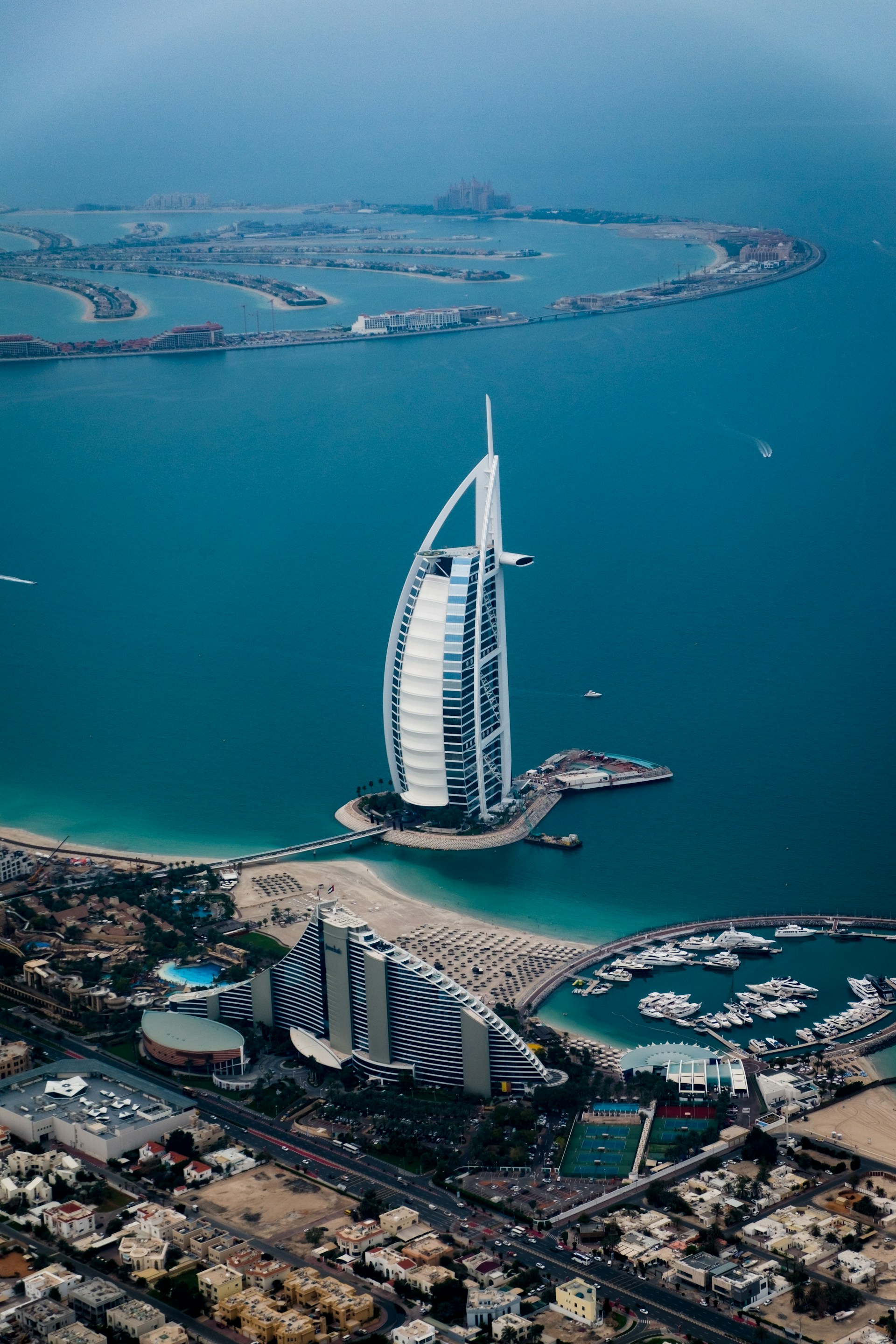
Palm Jumeirah at 25 — how the crescent is evolving in 2026 — updated view
When Nakheel's master-planned archipelago opened its trunk road in 2007, Palm Jumeirah became shorthand for ambition: signature villas, private beaches, and the
Dubai vs Abu Dhabi property — a side-by-side 2026 comparison
Dubai and Abu Dhabi sit less than 140 kilometres apart, yet their property markets could not be more distinct. Dubai has long been the region's commercial and l
Corporate relocation to Dubai — housing budgets, communities and lease structures
Dubai's corporate relocation landscape has matured considerably over the past decade, transforming from ad-hoc packages into structured frameworks that balance