
Dubai Hills Estate — why families keep choosing Emaar's flagship suburb
When Emaar launched Dubai Hills Estate a decade ago, the promise was audacious: a self‑contained, walk‑able suburb anchored by an 18‑hole championship course, w
Dubai Hills Estate — why families keep choosing Emaar's flagship suburb
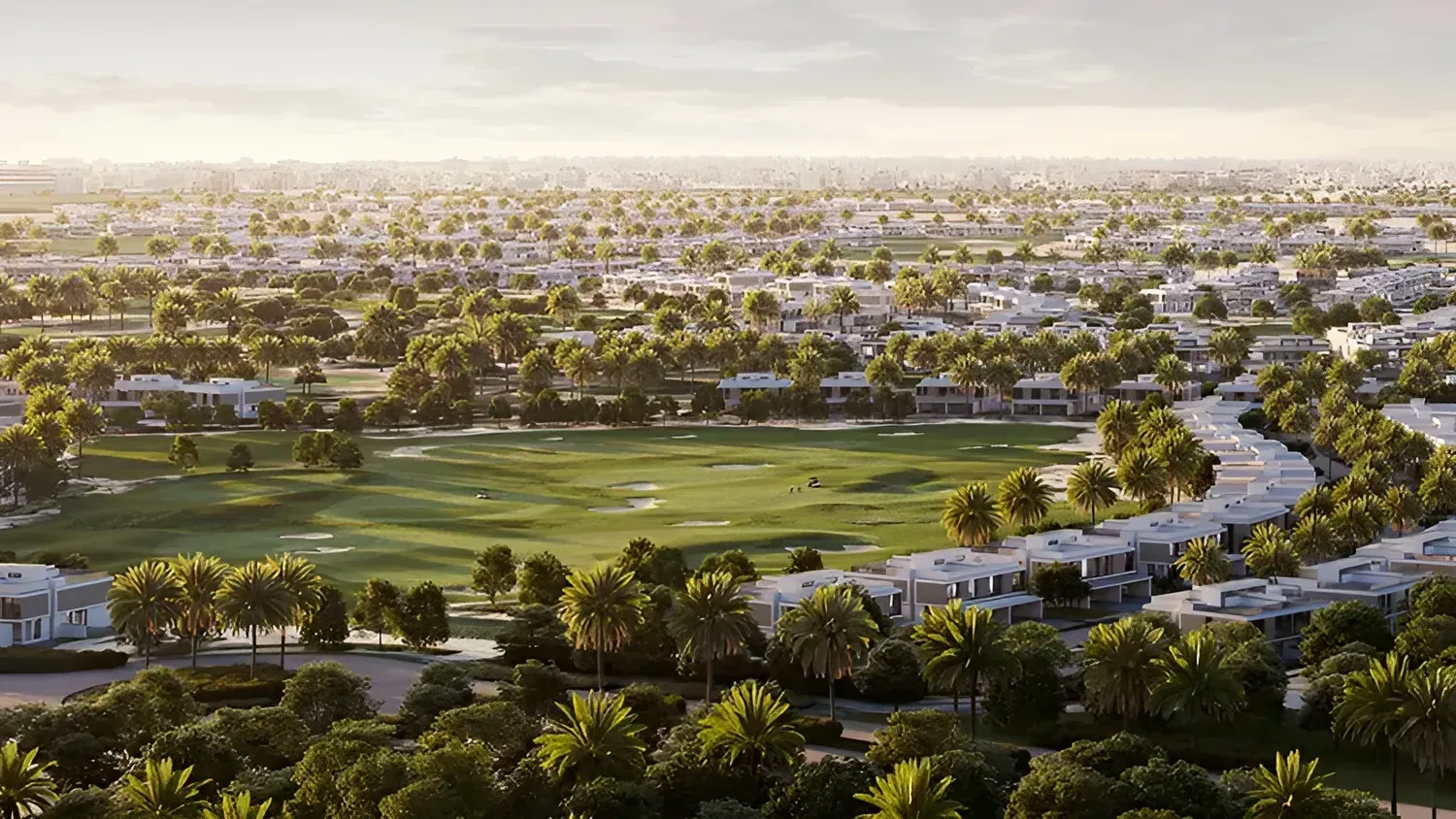
Golf fairways, shaded boulevards, and a near-complete urban ecosystem have turned this 11‑million‑square‑foot master plan into the blueprint every developer wants to replicate.
Introduction
When Emaar launched Dubai Hills Estate a decade ago, the promise was audacious: a self‑contained, walk‑able suburb anchored by an 18‑hole championship course, wedged between Downtown Dubai and Dubai Marina. Today it stands as one of the emirate's most resilient residential precincts—home to families who value proximity to Emirates Hills and Business Bay yet want quieter streets, greenery, and schools within walking distance. Competing communities such as Arabian Ranches and Jumeirah Golf Estates share the low‑rise, villa‑centric DNA, but Dubai Hills benefits from a denser apartment layer, a central retail anchor, and direct access to Al Khail Road. That blend of vertical and horizontal living, coupled with phased infrastructure delivery, explains why occupancy has climbed steadily while some off‑plan projects elsewhere remain quiet. For buyers and tenants alike, the question is no longer if Dubai Hills works—it is which cluster or tower offers the right balance of price, view, and handover risk.
An amenity spine that actually delivers
Many master plans promise a "lifestyle destination"; few execute it as methodically as Dubai Hills Estate. At the heart sits the Dubai Hills Mall, a 2‑million‑square‑foot retail and entertainment complex that opened in early 2022. It houses Carrefour, Reel Cinemas, over 650 shops and restaurants, and a rooftop running track—the sort of all‑weather social nucleus families rely on during summer months. North of the mall unfolds Dubai Hills Park, an 1.8‑million‑square‑foot landscaped expanse with cycling paths, skate zones, play areas, and community event lawns. The park's scale is roughly double that of Safa Park, making it one of the largest urban green spaces delivered by a private developer in the UAE.
Then there is the golf course. Designed by European Tour pros and managed by Emaar, the 7,244‑yard championship layout threads through villa clusters and mid‑rise blocks, lending views and a sense of permanence that speculative land banks cannot match. Families pay a premium for golf‑facing units—typically AED 200–400 per square foot above equivalent street‑facing stock—but rental voids remain lower and tenant tenures longer. Equally important are the two operational GEMS schools on‑site: GEMS Founders Al Barsha (relocated to Dubai Hills) and GEMS Metropole. Combined capacity exceeds 3,500 pupils, and enrolment waiting lists for certain year groups underscore the estate's magnetic pull for young parents unwilling to endure morning traffic to Jumeirah or Al Barsha.
The villa‑versus‑apartment equation
Dubai Hills Estate is fundamentally a hybrid community, and understanding the split matters. Emaar has allocated roughly 40 per cent of gross land to low‑rise villa plots—mainly three‑ to five‑bedroom single‑family homes grouped under sub‑brands such as Parkways, Sidra, Maple, and Golf Place. Plot sizes range from 3,000 to over 10,000 square feet; built‑up areas span 2,500 to 5,500 square feet. These villas began handover in 2020 and now form a mature, owner‑occupied enclave with landscaped streets and established community rhythms. Resale transactions for four‑bedroom Maple or Parkways villas have moved in a broad band of AED 4–6 million depending on plot position, upgrades, and garden orientation.
The remaining 60 per cent accommodates mid‑ to high‑rise apartment towers—some freehold, others delivered by Emaar or joint‑venture partners. Landmark clusters include Dubai Hills View (studios to three‑beds with mall and park proximity), Park Heights (twin towers overlooking the green), Acacia, Collective, and Wilton Park Residences. Unit sizes vary from compact 500‑square‑foot studios to sprawling 2,000‑square‑foot three‑bedroom layouts. Handover began in earnest during 2021–2023, and many buildings still carry that "new tower" sheen: spotless lobbies, functioning gyms, responsive facility management. Tenant demand has tracked supply closely; studios and one‑beds appeal to young professionals and couples unwilling to live in Discovery Gardens or International City yet priced out of Business Bay, while three‑bedroom apartments attract families seeking an interim step before committing to a villa purchase.
Price trajectory and the 2020–2026 arc
Dubai Hills Estate entered its handover phase during the pandemic trough—a fortunate accident of timing that let early off‑plan buyers lock in attractive per‑square‑foot rates and then watch values climb as occupancy rose and sentiment recovered. Anecdotal evidence from DLD records and brokerage panels suggests that apartment prices in popular clusters appreciated roughly 20–35 per cent between Q4 2020 and mid‑2023, driven by a convergence of pent‑up demand, remote‑work relocations, and a flight to quality among tenants. Villa prices moved in parallel, though the percentage gains were less dramatic because the initial baseline was higher.
Looking forward to 2026, three dynamics will shape price behaviour. First, additional apartment supply: several towers are scheduled for handover in 2024–2025, adding perhaps 2,000–3,000 units to the rental and resale pool. If delivered on time and absorbed smoothly, the impact will be benign; clustered delays or weak tenant take‑up could soften yields. Second, infrastructure maturation—retail expansions, completed road links, and the operational metro‑bus interchange—will incrementally lift the estate's convenience score. Third, broader market conditions: any macroeconomic headwind, regional uncertainty, or mortgage‑rate shift will ripple through Dubai Hills just as it does elsewhere. The community's medium‑term advantage lies in its occupancy depth and amenity moat, which together buffer against speculative volatility better than newer, less‑proven precincts.
What buyers must scrutinise at handover
Off‑plan purchases in Dubai Hills Estate often span 24 to 48 months from reservation to key collection, and the handover moment is when contractual hope meets built reality. Four areas warrant particular attention. Snagging quality: Emaar's construction standards are generally robust, but every tower has its quirks—loose tiles, misaligned cabinetry, aircon duct noise. Hire an independent snagging inspector before signing the handover protocol; rectification is far simpler when items are logged formally at transfer. Service‑charge clarity: annual fees in mid‑rise blocks typically fall between AED 8 and AED 15 per square foot, covering common‑area maintenance, security, landscaping, and amenities. Confirm the rate, payment schedule, and any sinking‑fund provisions in writing. Under‑budgeted service charges create friction within owners' associations and degrade building standards over time.
Title‑deed issuance: some clusters experienced short delays between handover and DLD registration due to minor documentation lags or utility no‑objection certificates. While Emaar has streamlined the process, buyers should confirm that the developer has obtained all clearances and that DLD trustees fees (4 per cent of property value, split equally between buyer and seller) are correctly apportioned. Finally, parking and storage allocation**: verify that your contract‑specified parking bay and storage cage numbers match the physical reality; mismatches occasionally occur in large towers and can trigger protracted disputes. Walk the car park, photograph your bay, and cross‑check against the sale‑and‑purchase agreement before funds are released from escrow.
Practical takeaways
- Visit at multiple times of day: traffic flows, school drop‑off queues, and evening park activity reveal patterns that afternoon viewings miss; schedule at least one early‑morning and one post‑sunset visit.
- Compare cluster micro‑locations: a golf‑facing Park Heights apartment commands different pricing and rental yields than a street‑side Acacia unit; map out views, noise sources, and walking distances to the mall or schools.
- Request a three‑year service‑charge history: if buying resale or post‑handover stock, ask the seller or owners' association for audited accounts; consistent, predictable fees signal professional management.
- Factor in your school‑age timeline: GEMS Founders and Metropole waiting lists can stretch to 12–18 months for popular year groups; apply early if education proximity is a primary driver.
- Engage a conveyancing advocate: Dubai's off‑plan sector is well‑regulated, but having a lawyer review the sale‑and‑purchase agreement, verify Oqood registration, and confirm the developer's Escrow Law compliance adds a layer of protection that pays for itself in peace of mind.
Frequently asked questions
Is Dubai Hills Estate suitable for single professionals, or is it purely a family suburb?
While the villa clusters skew heavily toward families, the apartment towers attract a broad demographic. Studios and one‑bedroom units appeal to young professionals who value proximity to Business Bay and Downtown but prefer quieter evenings, green space, and modern fit‑outs. Rents for compact units remain competitive relative to dense urban cores, and the mall‑park‑golf amenity triad offers lifestyle diversity that single residents appreciate. Expect a multi‑generational mix in the mid‑rise blocks, with families, couples, and solo tenants coexisting comfortably.
How does rental yield in Dubai Hills compare to older villa communities like Arabian Ranches?
Illustrative gross yields for three‑bedroom villas in Dubai Hills Estate have hovered in the 5–6.5 per cent range over the past two years, similar to Arabian Ranches II but occasionally a shade higher due to shorter tenant commutes and on‑site schools. Apartments—especially studios and one‑beds—can push yields toward 7–8 per cent when priced competitively and located near the mall. The key differentiator is tenant tenure: families in Dubai Hills often sign two‑year leases, reducing void periods and turnover costs for landlords.
Are there any upcoming phases or expansions that could affect property values?
Emaar continues to release new apartment clusters and limited villa plots within the estate's western and southern parcels. Infrastructure—such as additional retail nodes, a potential metro link extension study, and enhanced cycling networks—remains on the long‑term master plan. These additions should incrementally enhance desirability rather than flood supply, provided handover schedules remain staggered. Buyers should monitor DLD transaction volumes and off‑plan launch calendars to gauge absorption rates and avoid over‑supplied pockets.
Speak to Point Penta
Dubai Hills Estate rewards buyers who pair site knowledge with financial discipline—and that is where an independent brokerage perspective proves valuable. At Point Penta Real Estate, our research‑led approach means you receive candid guidance on cluster selection, handover timelines, and yield expectations, free from developer sales pressures. Whether you are weighing a villa resale against an off‑plan apartment, comparing mortgage structures, or simply seeking a second opinion on service‑charge projections, our team is here to help. Visit us at 902, Ithra Tower, Al Garhoud, Dubai, or reach out by email at info@pointpenta.com or telephone on +971 55 739 6664. We look forward to the conversation.
Point Penta’s research desk publishes editorial market analysis every week. If you’re looking at property in Dubai, an advisor will share the full sales pack — inventory, comparables and the current pricing band — within one business day.
More from the desk
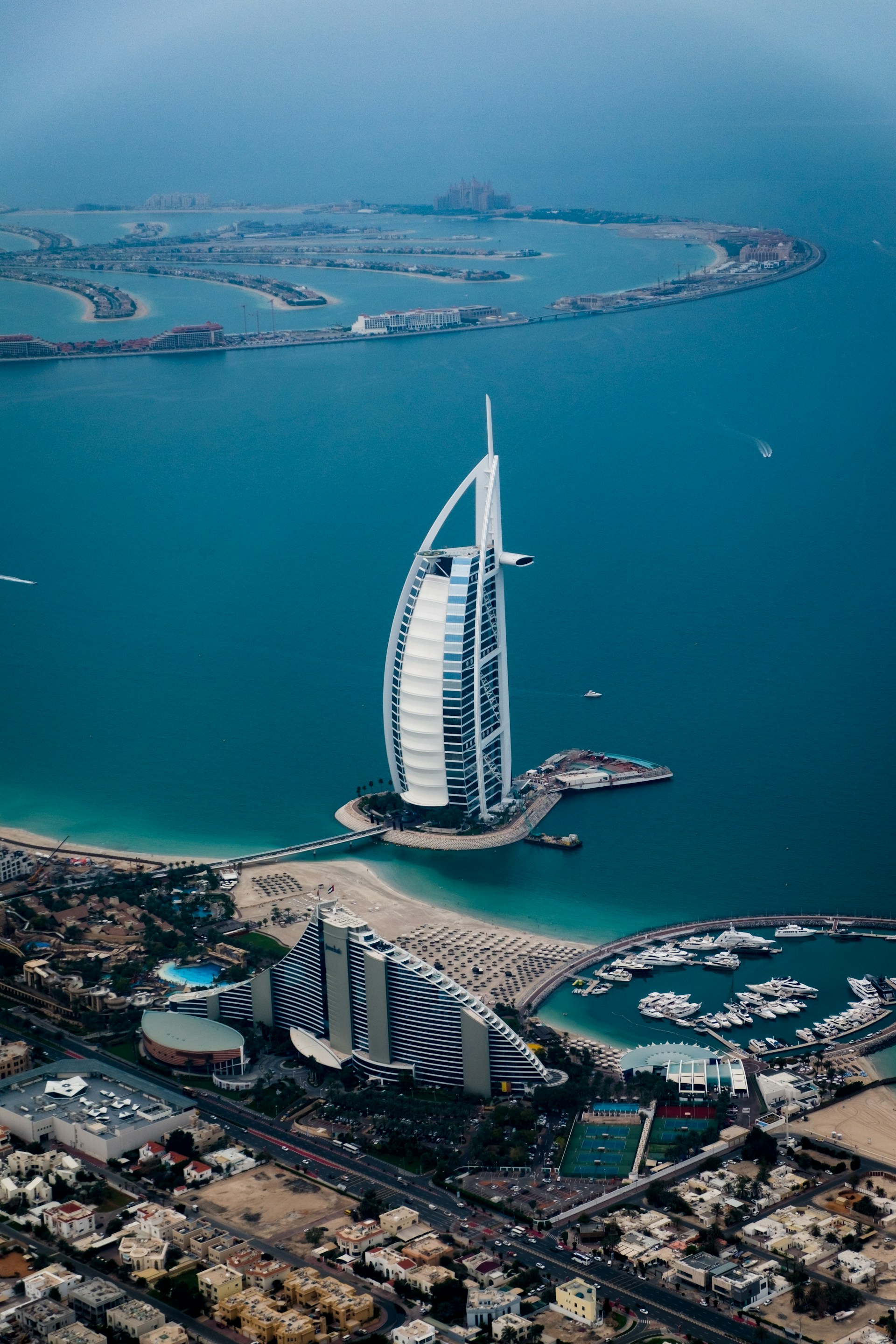
Palm Jumeirah at 25 — how the crescent is evolving in 2026 — updated view
When Nakheel's master-planned archipelago opened its trunk road in 2007, Palm Jumeirah became shorthand for ambition: signature villas, private beaches, and the
Dubai vs Abu Dhabi property — a side-by-side 2026 comparison
Dubai and Abu Dhabi sit less than 140 kilometres apart, yet their property markets could not be more distinct. Dubai has long been the region's commercial and l
Corporate relocation to Dubai — housing budgets, communities and lease structures
Dubai's corporate relocation landscape has matured considerably over the past decade, transforming from ad-hoc packages into structured frameworks that balance