
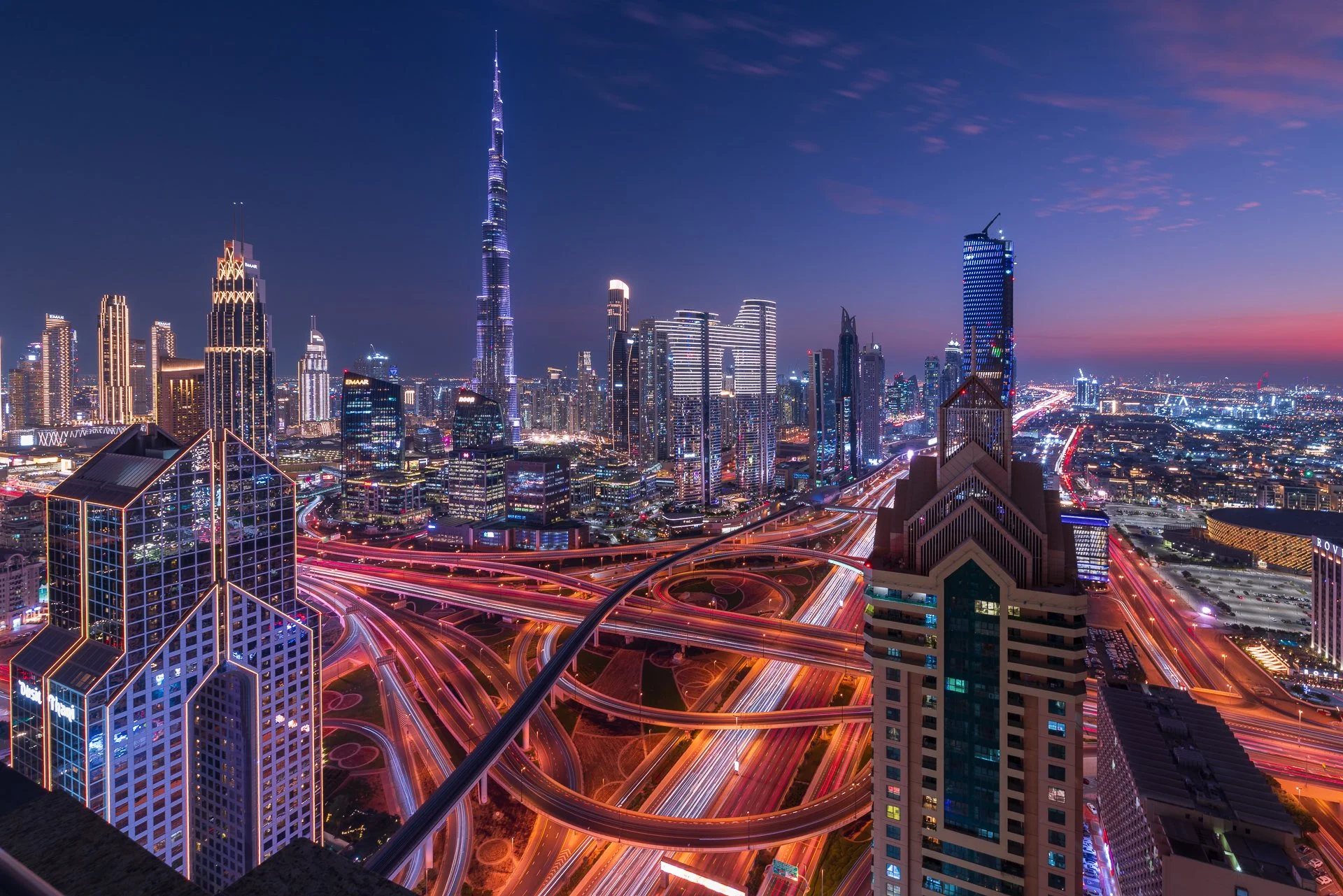
Downtown Dubai property guide 2026 — beyond Burj Khalifa views
Downtown Dubai remains the city's most recognisable address, yet treating it as a single homogeneous market risks costly mistakes. The 2.02 square-kilometre pre
The postcode still commands prestige, but smarter investors now dissect service-charge spreads, sublease covenants and rental velocity tower by tower.
Introduction
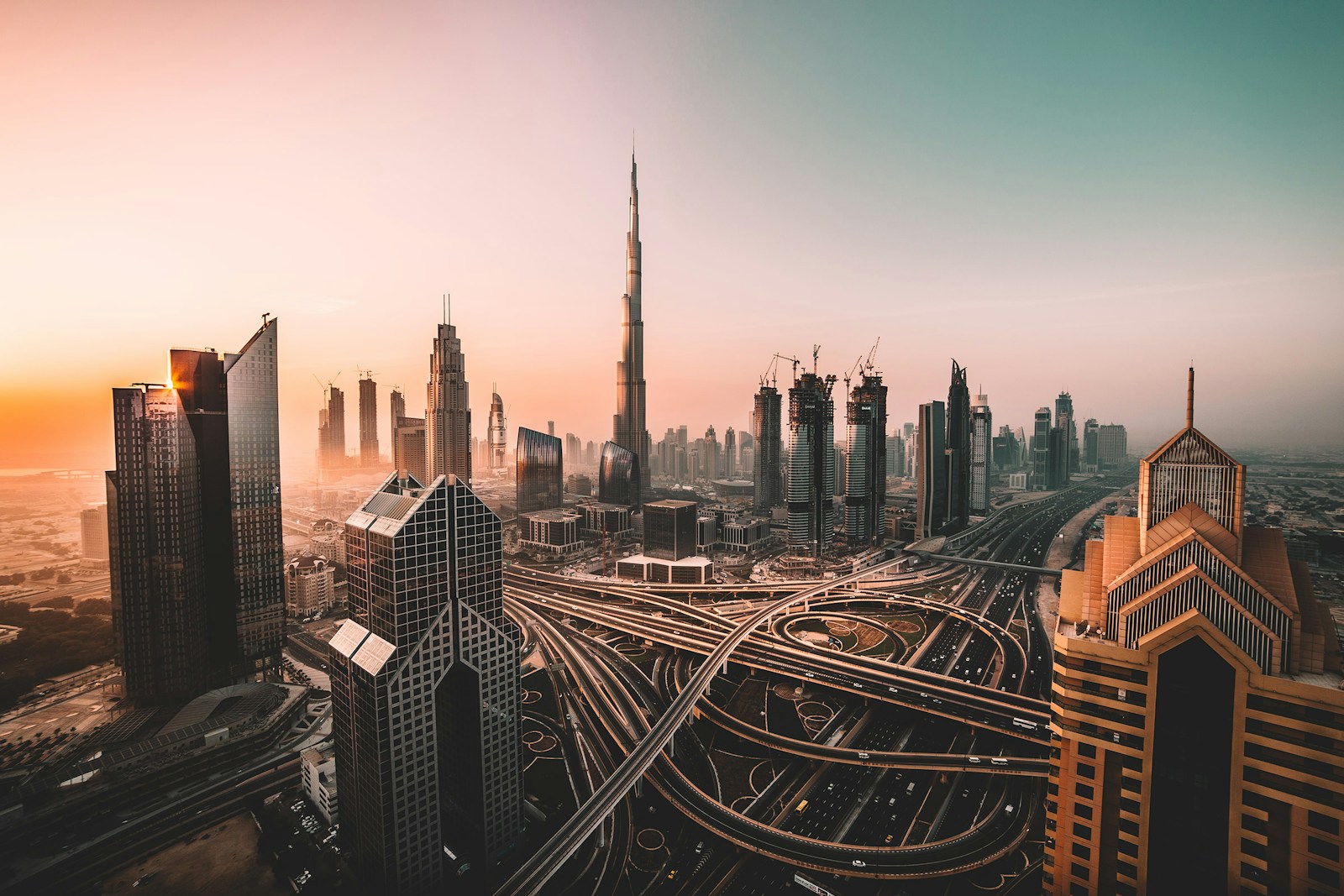
Downtown Dubai remains the city's most recognisable address, yet treating it as a single homogeneous market risks costly mistakes. The 2.02 square-kilometre precinct—master-developed by Emaar—divides into four distinct sub-neighbourhoods, each governed by different community-management structures, architectural vintages and tenant demographics. Old Town Island appeals to families seeking low-rise courtyards and souq-adjacent walkability. Burj Vista and South Ridge cater to young professionals prioritising gym access and metro proximity. The Opera District attracts culture-conscious expatriates willing to pay a premium for calendar-driven nightlife. Boulevard addresses—straddling Sheikh Mohammed bin Rashid Boulevard—serve short-stay investors chasing Airbnb-legal buildings and corporate relocations. Understanding these micro-markets, and the 15–35 AED per square foot service-charge variation between them, separates portfolio-grade acquisitions from vanity purchases.
Four sub-neighbourhoods, four investment profiles
Old Town comprises low- and mid-rise residences—Yansoon, Zaafaran, Kamoon, Reehan—wrapped around shaded courtyards, fountains and pedestrian lanes. Service charges here typically sit at the lower end of the Downtown spectrum—around 15–20 AED per square foot annually—because buildings share central district cooling infrastructure and lack individual tower amenities. Buyers prize ground-floor terrace units and duplex townhouses; rental yields hover in the 5.5–6.5 per cent band, slightly compressed by owner-occupier preference. Old Town appeals to families with school-age children attending GEMS Wellington Silicon Oasis or Dubai International Academy, who value walk-to-school ease and the souq retail cluster.
Burj Vista and South Ridge towers—The Address Residence Sky View, South Ridge 1–6, Standpoint Towers—offer contemporary one- and two-bedroom layouts favoured by single professionals and dual-income couples. Service charges climb to 22–28 AED per square foot, reflecting standalone lobbies, rooftop pools and 24-hour concierge. These buildings deliver stronger rental velocity: well-maintained units often lease within two to three weeks of listing. Proximity to Business Bay metro and Sheikh Zayed Road makes them especially attractive to tenants working in DIFC or Emirates Towers. Investors should verify whether individual towers permit short-term holiday licences; some homeowners' associations have tightened sublease rules post-2023.
The Opera District—radiating from Dubai Opera and The Address Boulevard—targets a narrower tenant: the culturally engaged expatriate who attends performances, frequents Gallery Lafayette or dines at Zuma. Service charges here range from 25–32 AED per square foot, the premium justified by valet parking, marble-clad lobbies and direct covered links to the opera house. Rental demand spikes during the September–May cultural season; landlords prepared to furnish units to hospitality standards can command 8–12 per cent premiums over unfurnished comparables. The trade-off: vacancy risk rises in summer, when event programming thins and many European tenants travel.
Boulevard towers—The Address Downtown, The Address Fountain Views, Boulevard Central—command the highest service charges in the precinct, sometimes reaching 30–35 AED per square foot. These buildings permit short-term holiday rentals under DTCM-approved operating agreements, making them viable for investors who engage external operators or list on Airbnb. Gross rental yields on Boulevard addresses can exceed 7 per cent when optimally managed, but owners must account for operator commissions (typically 20–25 per cent of gross revenue), higher furnishing costs and more frequent tenant turnover. Strata title here also means shared liability for façade maintenance—an important due-diligence line item.

Service-charge anatomy: where your money goes
Service charges across Downtown vary not merely by building age but by the underlying facilities-management contract, chiller-plant ownership and parking-ratio allocation. At the lower end—Old Town's 15–20 AED per square foot—fees cover communal landscaping, perimeter security, waste collection and district-cooling transmission. Mid-tier buildings (22–28 AED/sqft) add dedicated gyms, rooftop pools, residents' lounges and 24-hour front-desk staffing. Premium Boulevard towers (30–35 AED/sqft) layer on valet, concierge-coordinated maintenance, in-house housekeeping for short-stay units and higher insurance premiums tied to hospitality liability.
One often-overlooked component: chiller ownership structure. Buildings on Emaar's central district-cooling loop pass consumption costs—metered per unit—directly to residents, meaning the headline service charge excludes your largest variable utility. Newer towers with dedicated basement chiller plants may bundle cooling into the service charge, making year-on-year fee comparisons misleading unless you adjust for DEWA consumption. Request the previous twelve months' chiller invoices during due diligence; summer bills in a two-bedroom Burj Vista unit can approach AED 1,200–1,800 per month.
Parking bays also skew the equation. Older Old Town units often allocate only one bay per apartment; a second bay, if available, may cost AED 15,000–25,000 to purchase separately. Boulevard towers typically include two bays in the sale price, but the service charge per bay—often AED 2,500–4,000 annually—gets folded into the headline per-square-foot figure, inflating comparisons with buildings where parking is charged separately.
Finally, sinking-fund contributions vary. RERA mandates that developers and owners' associations maintain reserve funds for major capital works—elevator replacements, façade refurbishment, chiller overhauls—but contribution rates differ. Some associations levy 10 per cent of the annual service charge into the sinking fund; others collect ad-hoc special assessments when works arise. Review the association's audited financials and multi-year capital plan before signing a sale-purchase agreement.
Burj Khalifa view premiums: transaction-level realities
The "Burj view" premium is Dubai's most cited yet least quantified pricing factor. Anecdotal evidence suggests direct, unobstructed Burj Khalifa views can add 10–20 per cent to per-square-foot pricing relative to identical units on the opposite façade. But the premium is non-linear: a partial side view from a lower floor often commands no uplift at all, while a full-frame, high-floor panorama in a Boulevard tower may justify 25 per cent or more.
Floor height amplifies the effect. Below level fifteen, intervening mid-rise structures—Emaar's retail podiums, The Address hotels—frequently obstruct sightlines. The 15–30 floor band offers clear views but competes with dozens of similar units across multiple towers, diluting scarcity. Above floor thirty-five, supply tightens sharply; in buildings like The Address Fountain Views or Boulevard Central, penthouse and sub-penthouse units with floor-to-ceiling glazing and wraparound terraces capture the bulk of investor appetite. These seldom trade on open portals; most change hands off-market or within private-client networks.
Rental markets discount the premium. While buyers willingly pay hefty view surcharges, tenants prove more pragmatic. A 2025 survey of Dubai tenant preferences by a local consultancy found that proximity to metro, school catchments and grocery retail ranked higher than views among families signing twelve-month contracts. Young professionals valued views more, but only 30 per cent reported willingness to pay above a 5–7 per cent rent premium. Consequently, investors buying Burj-view units for yield rather than capital appreciation may find that the acquisition premium erodes net returns, especially when service-charge differentials are factored in.
Resale liquidity benefits persist. Even if rental uplifts disappoint, Burj-facing units historically spend less time on market during resale. In softening cycles, these addresses act as relative safe havens—buyers in uncertain markets gravitate toward trophy assets with iconic associations. For legacy-planning or family-office allocations, the view premium functions as a form of brand insurance, reducing downside volatility rather than maximising upside yield.
Which towers deliver the best rental performance?
Rental performance hinges on three variables: location within Downtown, building management quality and unit configuration. South Ridge towers—particularly South Ridge 4 and 5—consistently post strong occupancy because they combine competitive rents (often 5–8 per cent below Boulevard equivalents for similar specifications), excellent lobby maintenance and balcony orientations that minimise afternoon glare. Two-bedroom units in South Ridge, sized around 1,100–1,300 square feet, suit corporate tenants relocating from Europe or North America; these lease swiftly at AED 110,000–140,000 annually.
Standpoint Towers A and B appeal to younger professionals due to metro adjacency and furnished corporate packages offered by landlords working with relocation agencies. One-bedroom units here turn over every 12–18 months on average—higher than the Downtown norm—but vacancy periods rarely exceed three weeks if priced within 5 per cent of market. Investors should budget for more frequent repainting and appliance replacement.
The Address Residence Sky View occupies a middle ground: premium branding supports higher rents, yet service charges and homeowners'-association restrictions can deter yield-focused buyers. Short-term rentals are generally prohibited, limiting revenue optionality. Best suited for investors seeking stable, long-lease corporate tenants willing to pay for address prestige and on-site hotel services (room service, laundry, spa bookings).
Old Town's Yansoon and Reehan deliver surprisingly robust yields—often 6–6.5 per cent gross—because purchase prices per square foot remain 15–20 per cent below Boulevard towers, while family tenants sign longer leases and cause less wear. Drawback: liquidity. These buildings see fewer transactions per quarter, so exit strategies require longer marketing windows.
Practical takeaways
-
Map service charges to your holding horizon. If you plan to hold five-plus years, a 30 AED/sqft building may erode returns relative to a 20 AED/sqft alternative, even if rents are similar—especially when compounded with chiller bills.
-
Request homeowners'-association minutes and financials. Check for pending special assessments, planned capital works and any disputes over reserve-fund adequacy. Some associations have deferred façade repairs, storing up liability.
-
Distinguish between gross yield and net cash flow. A Boulevard tower advertising 7 per cent gross may deliver only 4–4.5 per cent net after service charges, operator commissions and furnishing amortisation.
-
Verify short-term rental permissions in writing. Strata bylaws and DTCM classifications can change; do not rely on broker assurances. Ask for a copy of the building's holiday-home permit or a letter from the owners' association.
-
Prioritise mid-floor Burj views (floors 20–35) for liquidity balance. You avoid the lower-floor obstruction penalty and the ultra-high-floor price premium, positioning the unit for both investor and end-user buyers.
Frequently asked questions
Is Downtown Dubai still a good investment in 2026, given new supply in Business Bay and Dubai Creek Harbour?
Downtown retains institutional appeal—global family offices and sovereign wealth allocations continue to favour the precinct for brand recognition and liquidity depth. New supply in adjacent districts has moderated capital appreciation, but Downtown's established infrastructure, walkability and cultural amenities insulate it from sharper corrections. For yield-focused strategies, newer areas may outperform; for preservation of capital and legacy holding, Downtown remains defensible.
How do I know if a building permits short-term rentals?
Check three sources: the property title deed (which may annotate DTCM classification), the owners' association bylaws (request from the developer or association manager) and DTCM's public holiday-home operator registry. Note that even if a building once allowed short-term stays, associations can vote to restrict them; recent minutes from annual general meetings provide the most current position.
What are typical buyer closing costs in Downtown Dubai?
Expect around 6–7 per cent of purchase price: 4 per cent Dubai Land Department transfer fee (split 2 per cent buyer, 2 per cent seller by convention, though negotiable), approximately 2 per cent agent commission, plus smaller amounts for mortgage registration (if financing), trustee fees and NOC issuance. Always budget an additional contingency for service-charge arrears the seller may owe, which can transfer with title if not cleared.
Speak to Point Penta
Downtown Dubai rewards detailed, neighbourhood-level analysis far more than broad-brush enthusiasm. Whether you are weighing Old Town courtyard living against Boulevard Burj views, or modelling the net yield impact of a 32 AED per square foot service charge, our research team provides the granular, transaction-informed guidance that turns postcode prestige into portfolio performance. We work with international families, seasoned investors and first-time Dubai buyers from our office at 902, Ithra Tower, Al Garhoud, Dubai. Reach out at info@pointpenta.com or +971 55 739 6664—we're here to make your Downtown decision a confident one.
Point Penta’s research desk publishes editorial market analysis every week. If you’re looking at property in Dubai, an advisor will share the full sales pack — inventory, comparables and the current pricing band — within one business day.
More from the desk
Palm Jumeirah at 25 — how the crescent is evolving in 2026 — updated view
When Nakheel's master-planned archipelago opened its trunk road in 2007, Palm Jumeirah became shorthand for ambition: signature villas, private beaches, and the
Dubai vs Abu Dhabi property — a side-by-side 2026 comparison
Dubai and Abu Dhabi sit less than 140 kilometres apart, yet their property markets could not be more distinct. Dubai has long been the region's commercial and l
Corporate relocation to Dubai — housing budgets, communities and lease structures
Dubai's corporate relocation landscape has matured considerably over the past decade, transforming from ad-hoc packages into structured frameworks that balance